INFLUENCER MARKETING SERVICES

Influencer Marketing Services: Creator Discovery, Strategy, and Campaign Coordination

Plan influencer marketing around your brand, audience, product, campaign objective, and ecommerce requirements.

Big Internet Ecommerce helps brands plan and coordinate influencer campaigns by evaluating creator relevance, audience fit, content requirements, compensation, disclosure, and campaign objectives.

From influencer discovery and campaign planning to content coordination and performance review, our approach focuses on evaluating the fit between your product, creator, audience, platform, content format, campaign objective, and budget.

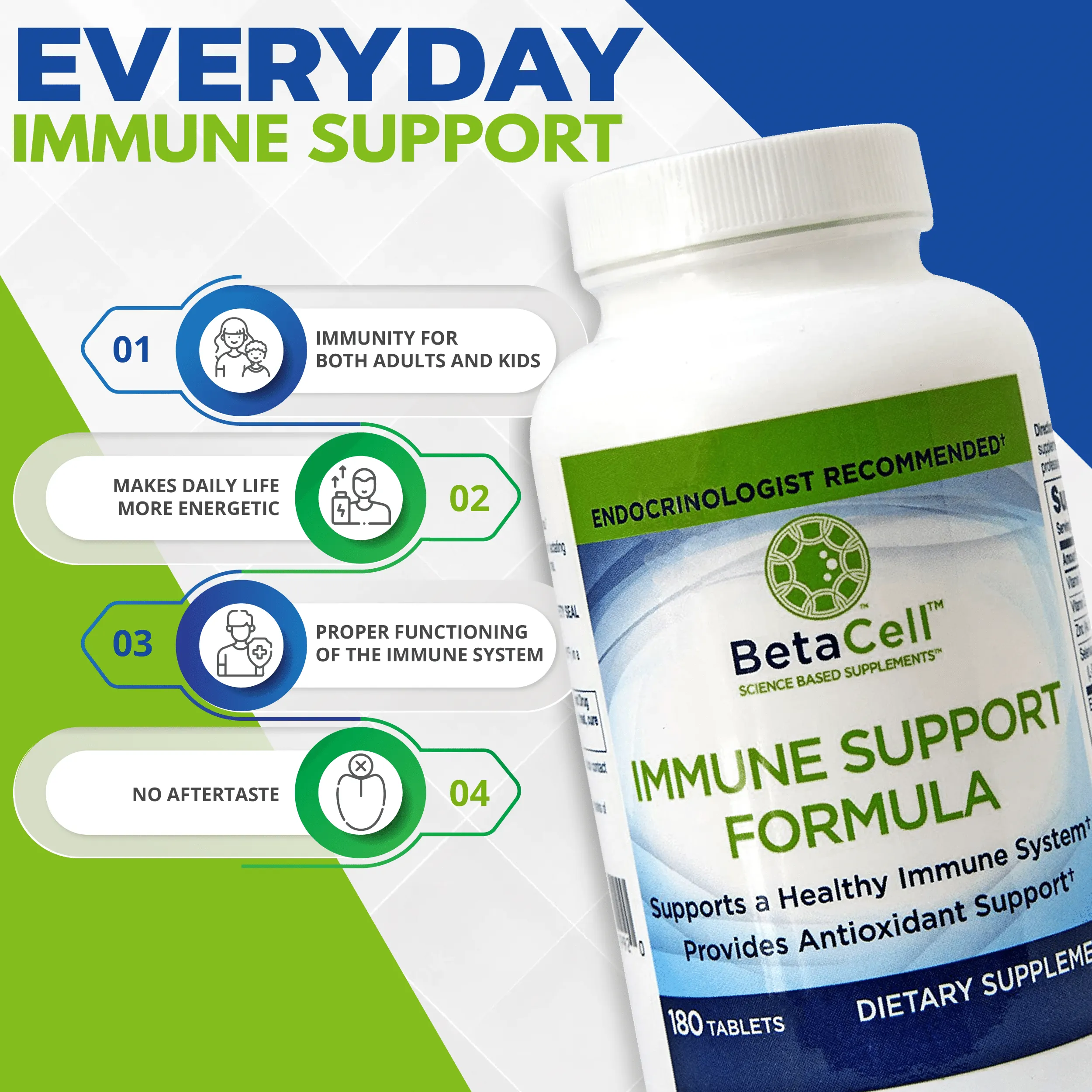
BIE lifestyle product creative example
BIE product infographic creative example

BIE product creative examples. Not influencer campaign content or results.

INFLUENCER MARKETING BACKED BY ECOMMERCE EXPERIENCE

From Product to Creator to Ecommerce

Influencer marketing works best when creator activity connects with the rest of the customer journey. A creator can introduce your product, demonstrate how it works, answer common questions, and help potential customers discover your brand.

Product
Creator
Content
Audience
Ecommerce

BIE brings influencer marketing into a broader ecommerce context, considering how creator content can support product visibility, brand communication, marketplace activity, and customer consideration.

Broader BIE Ecommerce Experience

BIE’s broader ecommerce work includes marketplace, advertising, content, development, and growth engagements. Influencer-specific results should be presented separately through verified creator-campaign case studies.

312%
Revenue Growth

A featured BIE Amazon engagement combining integrated marketing and development with broader marketplace optimization.

42%
ACoS Reduction

A featured result from the same engagement, reflecting the impact of coordinated growth work.

18%
Conversion Rate Improvement

A featured improvement from the same engagement.

200+
Amazon Brands Supported

BIE has worked with more than 200 brands across different stages of ecommerce and marketplace growth.

These results represent specific BIE client engagements and are not guarantees of future performance. Results can vary based on category, product, pricing, competition, audience, creative, offer, traffic, and overall marketing strategy.
WHAT WE DO

Influencer Marketing Services

Influencer campaigns require more than finding creators with large audiences. The creator should fit the product, audience, campaign objective, content format, and brand positioning.

Campaign scope may include strategy only, creator discovery, outreach, product seeding, content coordination, usage-rights management, paid amplification, reporting, or full campaign coordination. Each engagement should define the deliverables, compensation responsibilities, approvals, and measurement method.

Our influencer marketing services can support the key stages of a campaign, from identifying relevant creators to coordinating content and evaluating campaign activity.

Influencer Discovery & Research

Finding relevant creators is an important first step in building an influencer campaign. Our influencer discovery research considers:

  • Creator niche and category
  • Audience authenticity and verification
  • Audience location and demographics
  • Engagement quality and consistency
  • Brand-safety review and content history
  • Previous sponsorships and competitor partnerships
  • Content originality
  • Possible conflicts of interest
  • Platform-specific fit

The goal is to identify creators whose audience and content are genuinely relevant to the product rather than relying on follower count alone.

BIE product infographic creative example

Influencer Campaign Strategy

Every product has different marketing requirements. A campaign for a new product launch may need a different creator strategy than an established ecommerce brand looking to increase product awareness.

Campaign strategy can include:

  • Campaign objectives and KPI definition
  • Target audience definition
  • Campaign budget and creator compensation structure
  • Product cost and shipping logistics
  • Creator selection criteria
  • Content direction and key messaging
  • Usage rights and paid-media rights
  • Exclusivity considerations
  • Disclosure requirements
  • Approval process and content review limits
  • Measurement and attribution method
  • Cancellation or replacement terms

The strategy provides a clear structure for the influencer campaign before creator outreach and content production begin.

BIE lifestyle product creative example

Creator Outreach & Coordination

Once relevant creators have been identified, consistent communication helps keep the campaign organized. Outreach should document compensation, deliverables, deadlines, usage rights, exclusivity, required disclosures, approval steps, product shipment, revisions, and payment terms.

Influencer campaign coordination can include:

  • Creator communication and negotiation
  • Campaign requirement briefs
  • Product information and shipping coordination
  • Content expectations and deliverable schedules
  • Timeline management and deadline tracking
  • Revision communication and approval workflows
  • Payment milestone tracking
BIE white-background product image example

Influencer Content Strategy

Influencer content should feel appropriate for the creator while communicating the information shoppers need. Content direction should preserve creator authenticity while ensuring that product claims are accurate, required disclosures are clear, and campaign messaging is consistent with the approved brief. FTC guidance mandates that material connections must be clearly disclosed, including payment, free products, or discounts.

Content direction can include:

  • Product demonstrations and unboxings
  • Tutorials and how-to guides
  • Authentic product reviews and experiences
  • Lifestyle and everyday use visuals
  • Feature explanations and specifications
  • Brand introductions and value propositions
  • Product comparisons
  • Promotional and launch content
BIE product feature creative example

Product Seeding & Creator Campaigns

Sending products to creators may create opportunities for product-focused content, but receiving a product does not guarantee publication, positive coverage, reach, or sales. Free or discounted products create a material connection that may require clear disclosure in the creator’s content.

Product seeding campaigns can support:

  • Product discovery and community awareness
  • Creator relationship building
  • Product demonstrations and unboxings
  • User-generated content opportunities
  • New product launch awareness
  • Brand introductions and initial feedback
BIE lifestyle product creative example

Social Media Influencer Marketing

Influencer marketing can support campaigns across social platforms where creators already have established relationships with their audiences. Platform-specific requirements, disclosure tools, music or content rights, advertising labels, and paid-amplification rules should be reviewed before publication.

Campaigns may involve:

  • Short-form video (Reels, TikTok, Shorts)
  • In-depth product demonstrations and long-form video
  • Reviews, stories, and feed posts
  • Product launch activations
  • Brand awareness campaigns
  • Promotional and event-driven content
BIE product infographic creative example

Ecommerce Influencer Marketing

Influencer activity can also be connected to the broader ecommerce customer journey. Campaign measurement may include platform analytics, UTM links, affiliate links, discount codes, retailer analytics, Amazon Attribution where eligible, or other approved tracking methods. No single method captures every customer interaction.

Campaign planning can consider how creator content supports:

  • Product discovery and category consideration
  • Product education and detailed feature walkthroughs
  • Driving external traffic to Shopify, Amazon, or retail channels
  • Coordinated product launches
  • Promotional discount code distribution
  • Integration with broader ecommerce marketing and search strategy
BIE product detail creative example

BIE product creative examples. Not influencer campaign content or results.

CREATOR PARTNERSHIPS

Find Creators That Fit Your Brand

Different creator types can serve different campaign objectives. Instead of treating every influencer campaign the same way, BIE can help brands consider creator fit based on audience, content, category, and campaign requirements.

Nano Influencers

Smaller creators can provide highly focused content around specific interests, communities, or product categories.

Micro Influencers

Micro influencers often create content for defined audiences and can be considered when relevance and niche positioning are important.

Mid-Tier Influencers

Mid-tier creators can provide broader audience reach while maintaining a focused content category or community.

Macro Influencers

Larger creators can support campaigns designed around broader product or brand awareness.

Niche Creators

Niche creators focus on specific subjects, categories, or interests, making relevance a key consideration for specialized products.

Creator tier is only one selection factor. Audience relevance, geography, authenticity, content quality, brand safety, past sponsorships, product fit, cost, usage rights, and campaign objective should also be considered.
Creator review does not guarantee future behavior, audience authenticity, campaign performance, or brand-safety outcomes. Contracts, monitoring, approvals, and escalation procedures should be defined separately.
OUR APPROACH

How We Build Influencer Campaigns

Campaign storyboard
01

Understand the Brand & Product

We begin by understanding your product, audience, positioning, category, differentiators, and campaign requirements. We also review the budget, target geography, platform, product availability, campaign timing, regulatory considerations, and success measures.

02

Define the Campaign Objective

We identify what the campaign needs to communicate and what role influencer content should play in the customer journey. Objectives may include awareness, product education, content creation, traffic, engagement, lead generation, sales, new-customer acquisition, or retailer support. These objectives require different measurement methods.

03

Identify Relevant Creators

Creator research focuses on factors such as audience relevance, content style, category alignment, platform presence, and product fit. Creator selection should also consider audience authenticity, demographics, geography, brand safety, previous partnerships, compensation, and rights requirements.

04

Plan the Content & Brief

We establish the product information, key messages, content direction, deliverables, and campaign expectations that creators need. The brief should specify claims, required disclosures, product information, prohibited claims, links, codes, hashtags, approval process, usage rights, and content deadlines.

05

Coordinate the Campaign

Creator communication and campaign coordination help keep product information, deliverables, timelines, and expectations organized. Coordination may include product shipping, contracts, payment, revisions, disclosures, rights, campaign status, and creator replacement where agreed.

06

Review Campaign Activity

Available campaign performance and published content can be reviewed against the objectives, tracking method, reporting period, and attribution limitations established at the beginning of the campaign.

07

Connect With Ecommerce Growth

Where appropriate, influencer marketing can work alongside ecommerce SEO, paid advertising, product-page optimization, marketplace services, social content, affiliate marketing, and broader ecommerce strategy.

08

Review Compliance and Usage Rights

Confirm required sponsorship disclosures, product claims, music or image rights, content usage permissions, exclusivity, and platform-specific requirements before or after publication as appropriate.

WHY CREATOR MARKETING

Put Your Product in a More Relevant Context

Paid advertising and creator marketing place products in front of audiences in different ways. Influencer content can place that product within a creator’s existing content, interests, routines, and audience conversations.

Key campaign considerations include:

Audience relevanceCreator credibilityDisclosure clarityContent authenticityProduct availabilityLanding-page readinessTracking and attributionUsage rightsCampaign timingBrand-safety controls

For ecommerce brands, this can create opportunities to:

  • Introduce products to new audiences
  • Demonstrate products in real-world situations
  • Explain features and use cases
  • Build brand awareness
  • Provide creator-led product context
  • Support product launches
  • Connect social discovery with ecommerce activity

The right campaign depends on the product, audience, creator, platform, content, and overall marketing strategy.

BIE lifestyle product creative example

BIE product creative example. Not influencer campaign content or results.

CONTENT OPPORTUNITIES

Create Content People Can Understand and Use

Influencer campaigns can produce different types of product-focused content depending on the campaign objective. Each format requires agreed product claims, approved product facts, sponsorship disclosures, link/code requirements, usage rights, paid-amplification permissions, and revision/approval rules.

Content formats
BIE product design mockup creative example

Product Demonstrations

Show how a product works and where it fits into everyday use with accurate claims and clear disclosures.
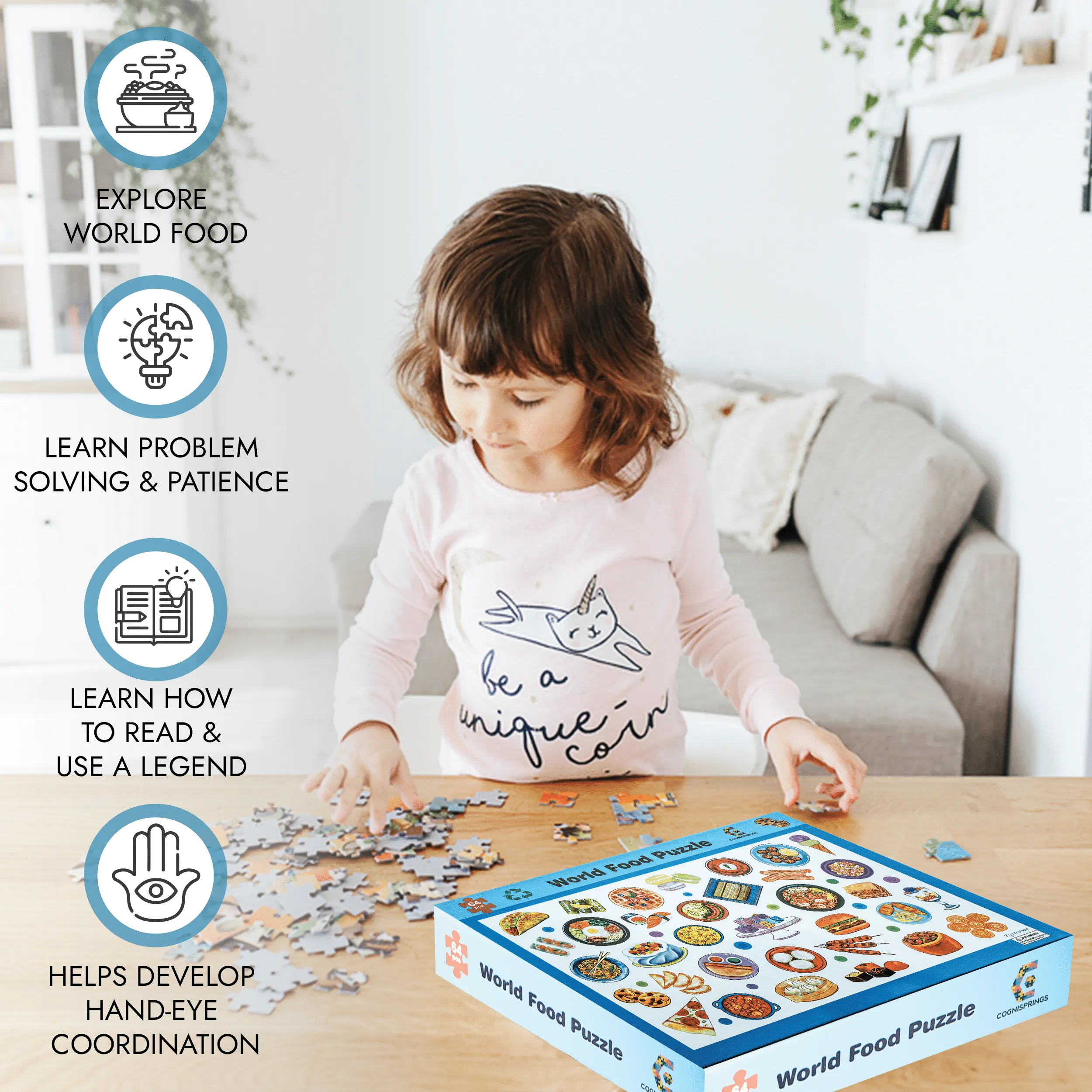
BIE product infographic creative example

Tutorials & How-To Content

Explain product functionality and step-by-step application through practical demonstrations.

BIE lifestyle product creative example

Reviews & Experiences

Give creators an opportunity to share their honest experience with the product in their own authentic content style.
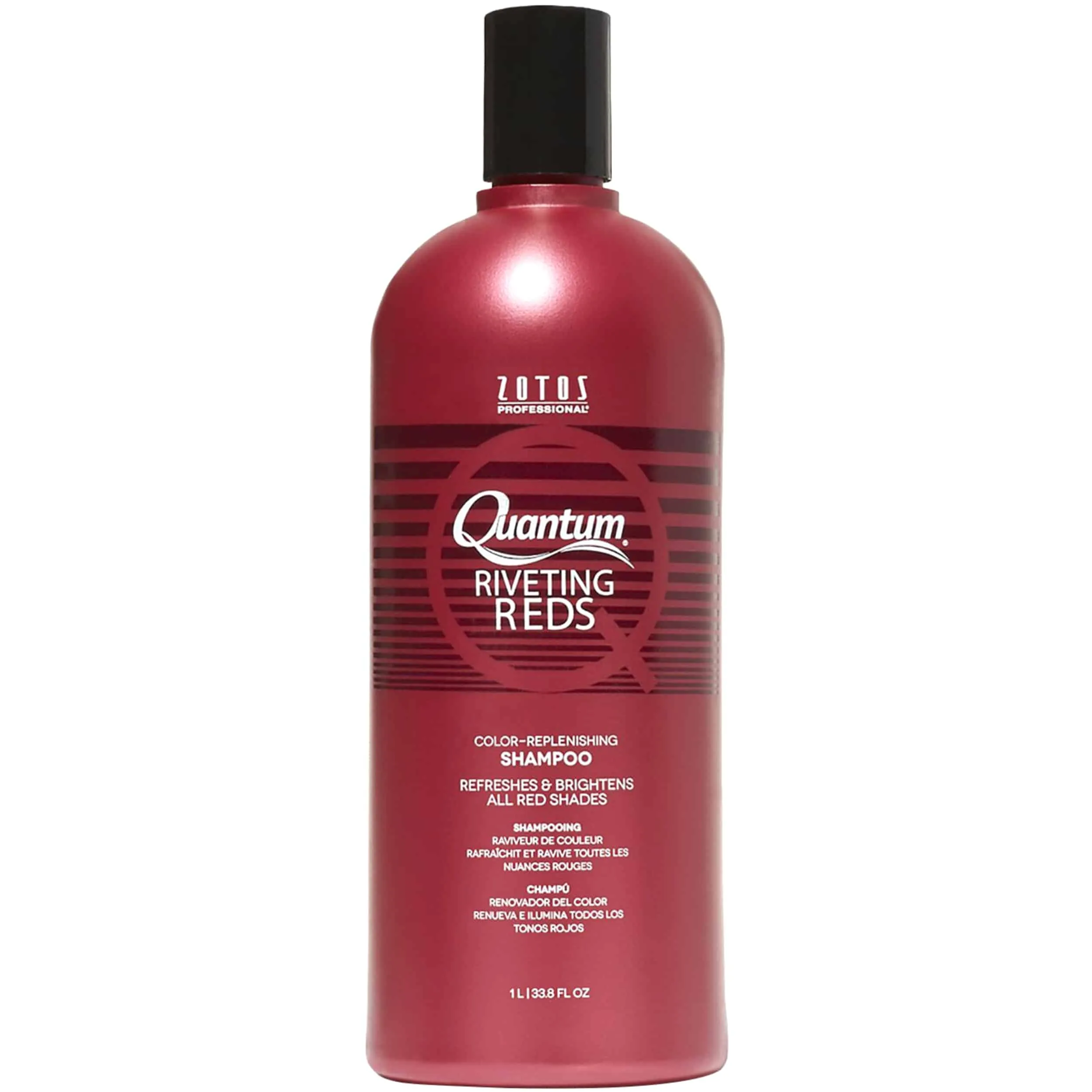
BIE white-background product image example

Unboxing Content

Introduce the product packaging, unboxing experience, included components, and initial impressions.
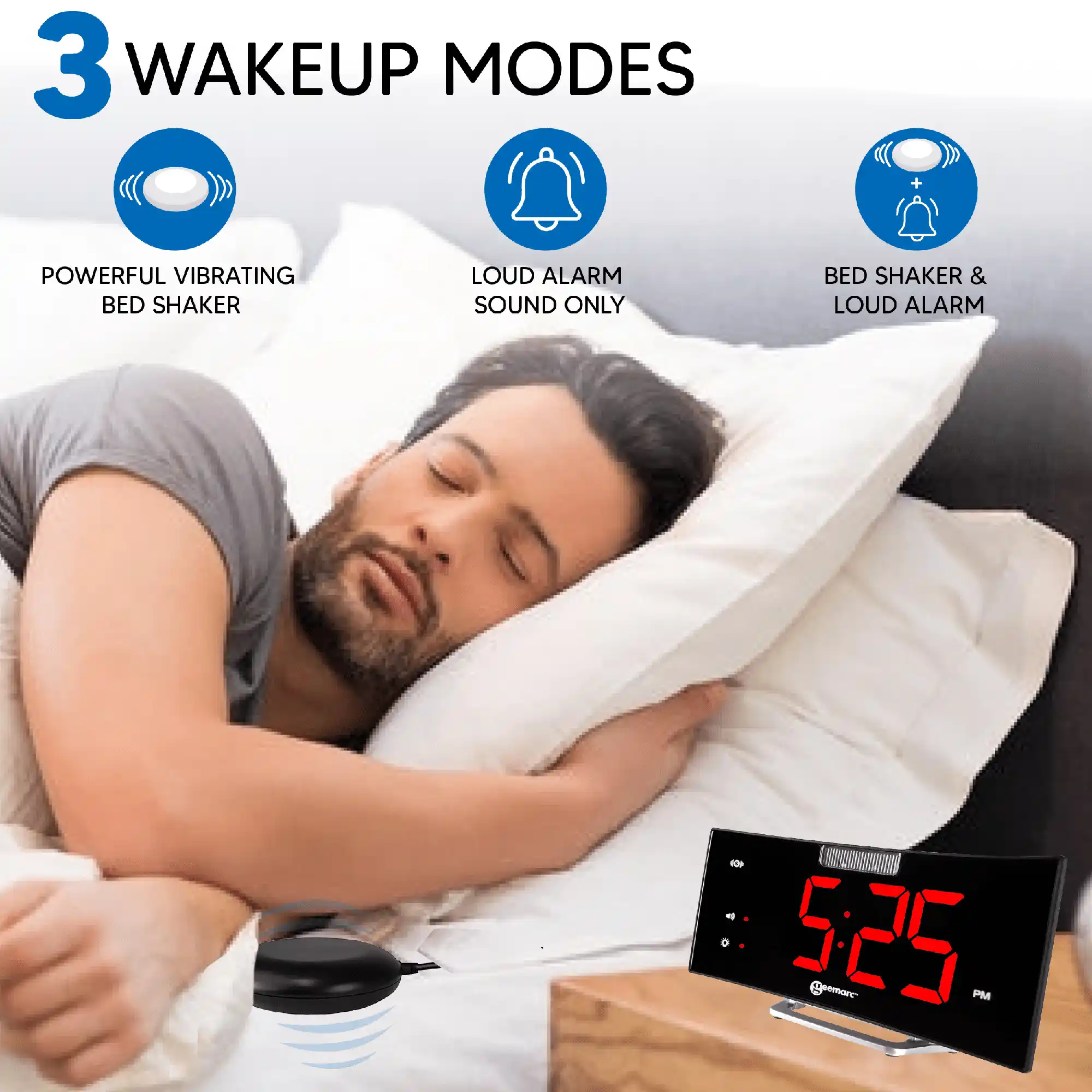
BIE lifestyle product creative example

Lifestyle Content

Show products in relevant, aesthetically aligned environments and everyday situations.
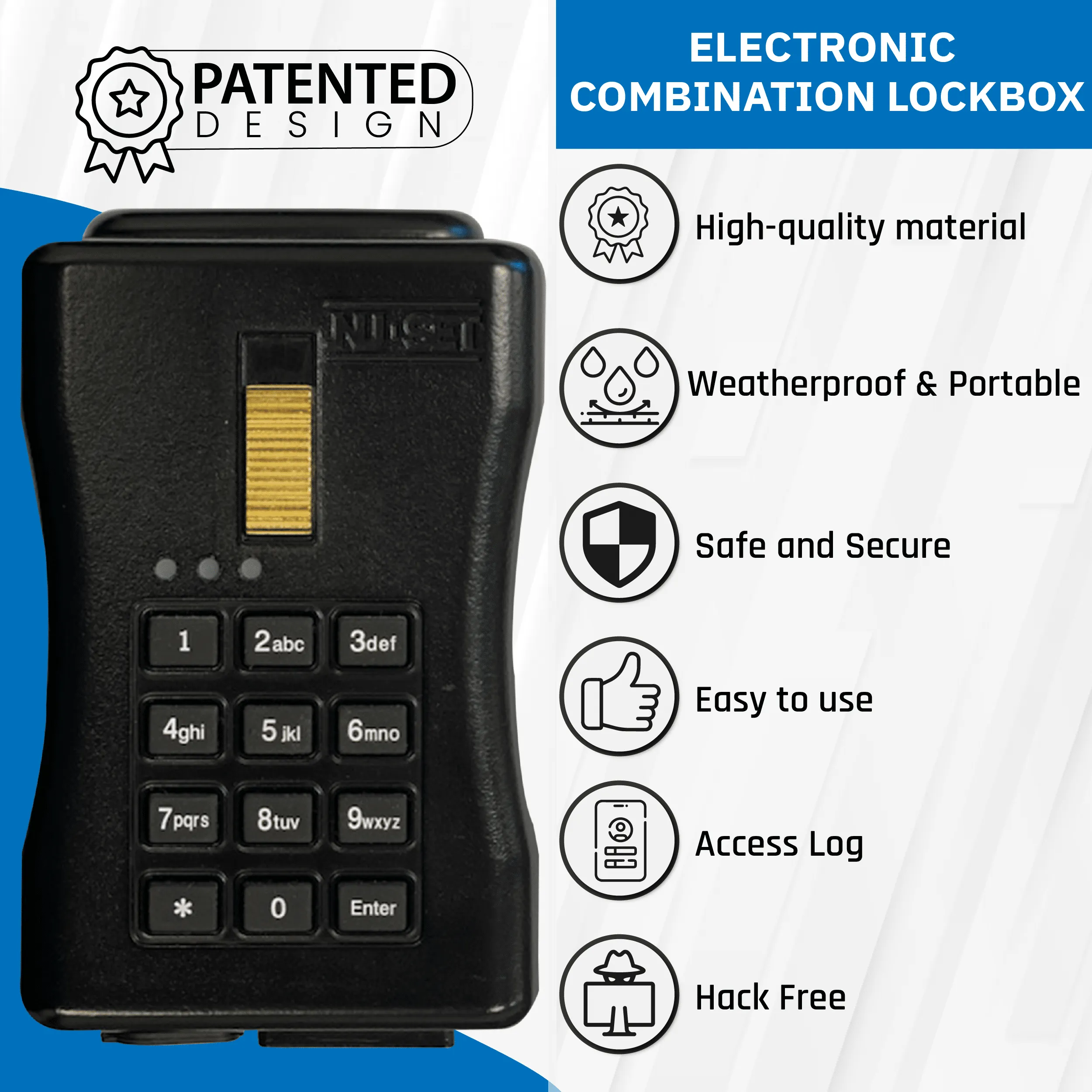
BIE product feature creative example

Product Launch Content

Build excitement and early awareness around a new product launch, collection release, or seasonal campaign.
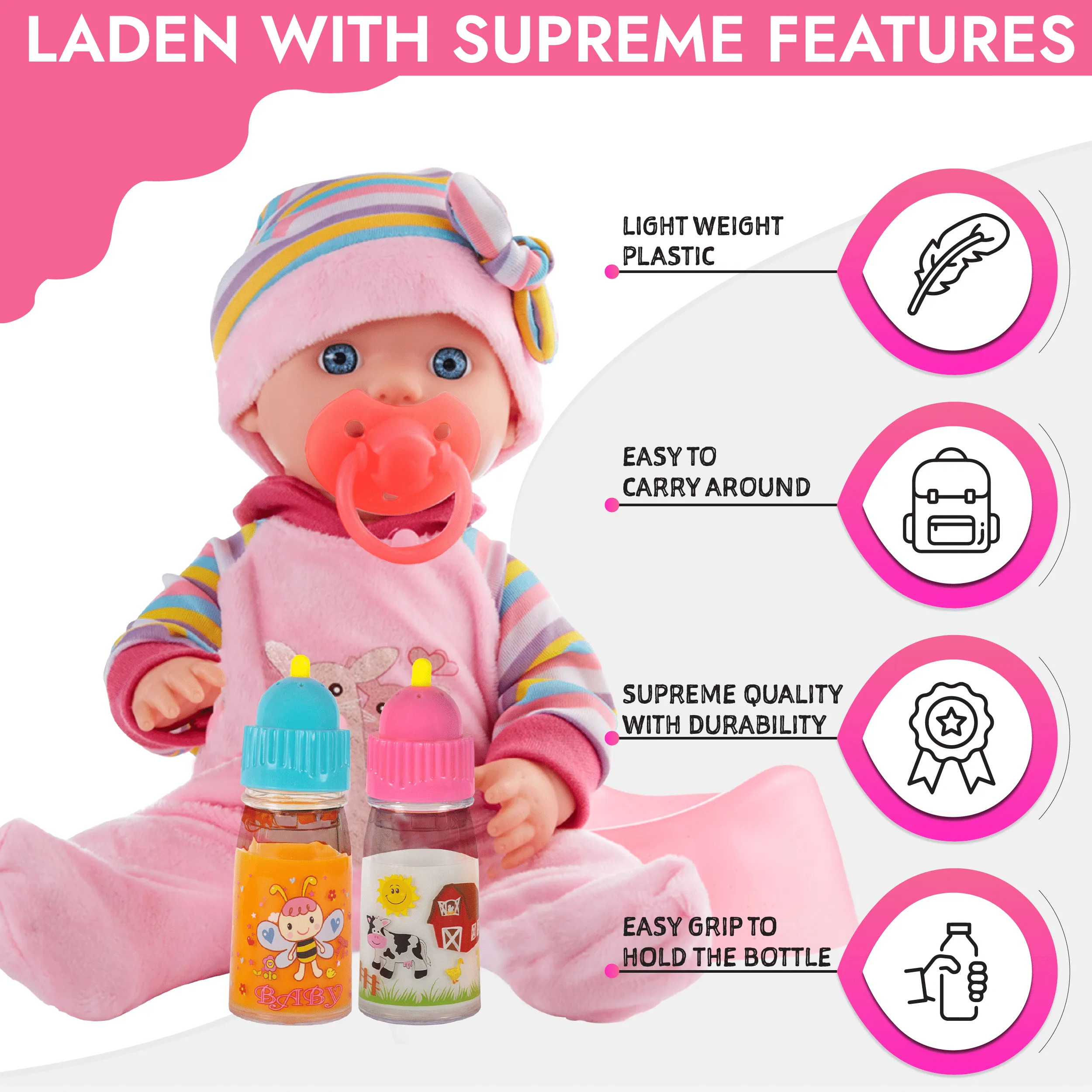
BIE product detail creative example

User-Generated Content Opportunities

Create additional product-focused assets that may support broader ecommerce and social marketing activity, subject to agreed usage rights, creator permissions, platform requirements, and approvals.

BIE product creative examples. Not influencer campaign content or results.

CONNECTED ECOMMERCE MARKETING

Connect Influencer Marketing With Your Broader Ecommerce Strategy

Influencer campaigns can create product awareness, but the customer journey continues after someone discovers your brand.

BIE can consider influencer marketing alongside essential campaign-readiness and broader ecommerce services:

Amazon-specific tracking and attribution depend on eligibility, account access, destination, campaign structure, and the available reporting tools. When these activities are aligned, product messaging remains consistent across the entire discovery and buying journey.

Product-page readinessLanding-page readinessInventory and fulfillment planningDiscount-code or affiliate setupUTM and tracking setupMarketplace attribution where eligiblePaid amplificationContent reuse and rights management
FAQ

Frequently Asked Questions

What is influencer marketing?

+

Influencer marketing involves working with creators who have established audiences to introduce, demonstrate, review, or promote products and brands through creator-led content. Campaigns may involve payment, free products, affiliate compensation, discounts, or other benefits. These relationships may require clear disclosure to the audience.

What influencer marketing services does BIE offer?

+

BIE’s influencer marketing scope can include strategy, discovery, outreach, negotiation support, product seeding, briefing, content coordination, disclosure planning, usage-rights coordination, reporting, and campaign review.

How does BIE find influencers for a campaign?

+

Creator selection considers factors such as category relevance, audience authenticity, geography, demographics, engagement quality, content style, brand safety, prior sponsorships, potential conflicts, compensation, and rights requirements. Follower count alone does not determine whether a creator is suitable.

Can influencer marketing support Amazon products?

+

Yes. Influencer campaigns can support product discovery, awareness, education, and external traffic to Amazon where the campaign, destination, tracking, and account setup permit. Influencer activity does not guarantee Amazon rankings, traffic, conversions, or sales.

What types of influencers can BIE work with?

+

Campaigns can consider nano, micro, mid-tier, macro, and niche creators depending on the product, audience, platform, geography, budget, content requirements, and campaign objectives.

What type of content can influencers create?

+

Influencer content can include product demonstrations, reviews, tutorials, unboxing videos, lifestyle content, product launches, social posts, and other product-focused formats. Content requirements should also specify disclosures, approved claims, links or codes, revisions, usage rights, and paid-amplification permissions.

Can influencer marketing generate sales?

+

Influencer marketing can support product discovery and consideration, but sales depend on multiple factors including audience relevance, content, product, pricing, offer, marketplace experience, and overall marketing strategy. Sales may also be difficult to attribute completely because customers often interact with multiple channels before purchasing.

How is influencer marketing different from traditional advertising?

+

Influencer marketing uses creator-led content and existing creator-audience relationships to communicate about a product. Traditional advertising generally places brand-controlled advertising directly in front of a target audience.

Do influencers need to disclose their relationship with the brand?

+

Often, yes. If a creator has a material connection with a brand—such as payment, free or discounted products, employment, or another benefit—the relationship should be disclosed clearly and conspicuously in the content. The exact requirements depend on the campaign, platform, audience, jurisdiction, and applicable FTC rules.

Does product seeding guarantee content from a creator?

+

No. Sending a free product does not guarantee that a creator will publish content, provide positive coverage, achieve a particular reach, or generate sales. Any deliverables, compensation, deadlines, disclosures, and usage rights should be agreed in writing.

Can BIE help brands use influencer content in ads or on product pages?

+

Usage rights can be coordinated if the creator agreement permits the intended use. Paid amplification, website use, marketplace use, editing, duration, geography, whitelisting, and sublicensing should be defined before content is reused.

How is influencer campaign performance measured?

+

Measurement can use platform analytics, links, UTM parameters, affiliate links, discount codes, retailer analytics, Amazon Attribution where eligible, or other approved methods. The appropriate method depends on the platform, destination, account, and campaign objective.

INFLUENCER MARKETING SERVICES

Build an Influencer Campaign Around Your Product and Audience

An effective influencer campaign starts with more than a creator list. It requires a clear objective, relevant creator selection, appropriate content, agreed deliverables, disclosure, and a measurement plan.

BIE can help you plan and coordinate an influencer marketing approach built around your brand, product, audience, campaign objective, budget, and broader ecommerce strategy.

Your Influencer Marketing Review Can Cover:

Influencer and creator fitTarget audience and demographicsCampaign objectivesContent opportunitiesBudget and compensationAudience authenticityBrand safetyCreator campaign structureProduct seeding opportunitiesDisclosure requirementsUsage rightsTracking and attributionProduct availabilityLanding-page readinessCreator approvalsCampaign reportingEcommerce and marketplace integration