Shopify Store Audit Services: Identify Issues, Gaps, and Improvement Priorities
Your Shopify store can look polished and still have issues affecting performance, SEO, user experience, accessibility, analytics, or the customer journey.
BIE’s Shopify Store Audit Services review the critical areas of your store to identify technical issues, optimization opportunities, data gaps, and customer-experience concerns. We review your store performance, SEO, theme setup, apps, product pages, customer journey, and other important areas to create a clear roadmap for improvement.
Instead of guessing what needs to change, receive a structured view of what was reviewed, what may need attention, and which improvements should be prioritized.
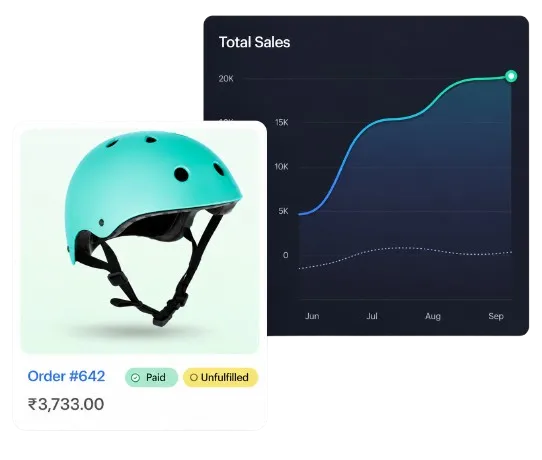
BIE ecommerce illustration. Sample figures are illustrative, not audit results.
Your Shopify Store Needs More Than a Good Design
A Shopify store has multiple elements working together. Site speed, SEO, product pages, navigation, apps, theme functionality, mobile experience, and conversion paths can all affect how customers interact with your store.
A Shopify Store Audit brings these areas together so you can see the bigger picture.

What a Shopify Store Audit Can Help Identify
Store Performance Issues
Identify areas that may be slowing down your store or affecting the customer experience.
SEO Gaps
Review technical SEO, metadata, indexing, and other factors that can affect search visibility.
Customer-Journey Opportunities
Examine product pages, navigation, cart flow, checkout-related experiences, and other parts of the customer journey for potential improvements.
Theme, App, and Integration Review
Identify unnecessary apps, possible conflicts, theme-related concerns, third-party scripts, and integration dependencies.
UX Problems
Review navigation, usability, mobile responsiveness, and other parts of the shopping experience.
Analytics, Tracking, and Reporting Gaps
Review whether the available analytics and tracking setup provides the information needed to understand traffic, behavior, sales, and customer journeys.
A Shopify Store Audit Across Performance, SEO, UX, Themes, Apps, and Analytics
Our Shopify Store Audit looks beyond individual pages. We review the areas that contribute to store performance, customer experience, search visibility, and conversion opportunities.
The exact audit depth depends on the Shopify plan, theme, apps, integrations, available access, store size, product catalog, traffic, and business questions the review is intended to answer.
Store Performance Audit
We review your store’s speed and performance to identify areas that may affect loading speed, interactivity, visual stability, and the broader storefront experience.
We can review:
- Page type performance
- Page URL performance
- Device type performance
- Performance trends over time
- App, theme, and code-change context
- Technical optimization opportunities
- Customer experience issues related to site performance
Shopify SEO Audit
Search visibility depends on more than adding keywords to product pages. A Shopify SEO Audit examines important technical and on-page elements that can affect how your store is discovered and understood by search engines.
We can review:
- Technical SEO issues
- URL structure
- Canonical and indexing signals
- Redirects
- Internal links
- Sitemap and robots considerations
- Product, collection, page, and blog templates
- Structured data
- Image alt text
- Duplicate or thin content
- Metadata
- Search Console data where available
Customer-Journey and Conversion Review
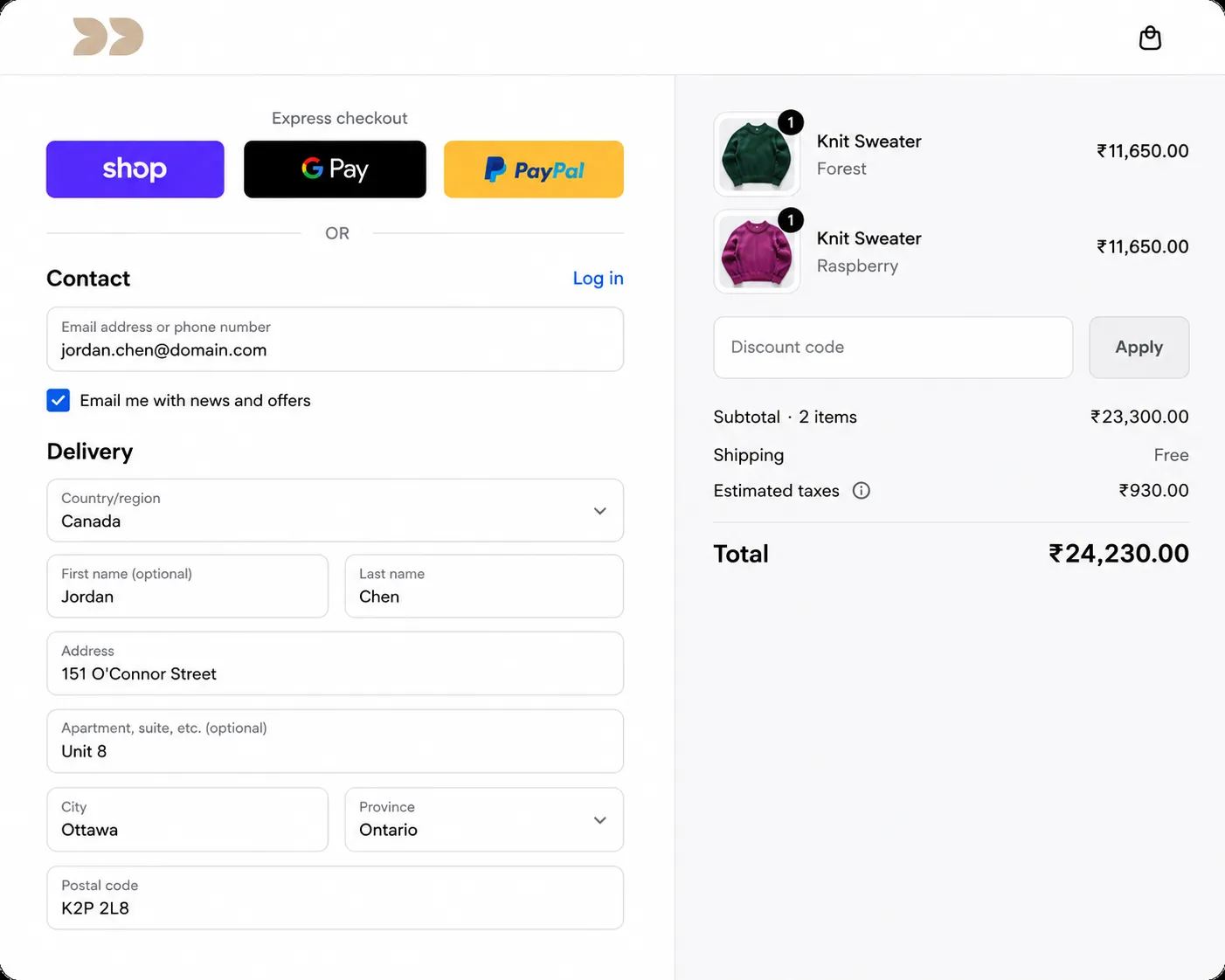
Getting visitors to your Shopify store is only one part of the customer journey. Your product pages, navigation, cart, and checkout experience also need to support the path toward purchase.
Our customer-journey review looks for opportunities across the shopping experience.
We can review:
- Landing-page relevance
- Product information clarity
- Variant selection
- Add-to-cart interactions
- Cart friction
- Shipping and payment information
- Trust signals
- Mobile interaction
- Calls to action
- Navigation flow
- Analytics event coverage
App, Theme, and Integration Review
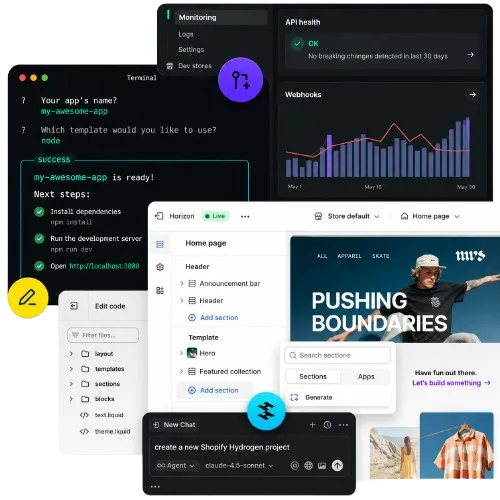
Apps and themes can add useful functionality to a Shopify store, but they can also create unnecessary complexity or performance issues.
We review your app and theme setup to identify areas that may need attention.
We can review:
- Installed app usage and necessity
- Duplicate app functionality
- Third-party scripts and tags
- App embed and app block usage
- Theme code quality
- Theme update risk
- Integration dependencies
- Analytics and consent tools
- Script impact on performance
- Potential app conflicts and functionality concerns
What Does a Shopify Store Audit Cover?
A complete audit can examine multiple parts of your store depending on its current setup and business needs.
Performance
Store Speed & Performance
Understand what may be affecting your store’s performance and customer experience. Shopify’s Web Performance reports can provide Core Web Vitals data based on real customer experiences, while external tools may provide additional diagnostic information. These sources may not always produce identical results.
Mobile Experience
Evaluate how your store performs and functions across mobile shopping experiences, including responsive layouts and mobile-specific Core Web Vitals.
SEO
Shopify SEO
Identify technical SEO issues, metadata opportunities, indexing concerns, structured data, canonical signals, and other search visibility gaps.
UX
User Experience
Review navigation, usability, mobile responsiveness, product discovery, and the overall shopping journey.
Product Pages
Examine how products are presented, how information is structured, variant selection, and where shoppers may need more clarity.
Conversion Experience
Review the path from landing on your store to product discovery, cart activity, and checkout.
Technology
Apps
Identify unnecessary apps, possible conflicts, script weight, and opportunities to simplify your store setup.
Shopify Theme
Review theme structure, template quality, update risks, and optimization opportunities.
Data
Analytics & Reporting
Review Shopify Analytics, reports, tracking tools, pixels, events, attribution sources, and available customer-behavior data to understand traffic, behavior, sales, and customer journeys. Shopify Analytics includes dashboards and reports for visitors, products, orders, payments, sales, sessions, and customer behavior. Analytics findings depend on the quality, completeness, consent status, retention period, and availability of the data being reviewed.
Requirements
Accessibility and Store Requirements
Review important accessibility, consent, privacy, cookie, and storefront requirements where they fall within the agreed audit scope. Legal and regulatory compliance advice should be obtained from qualified professionals.
Turn Audit Findings Into a Clear Optimization Plan
An audit is only useful when the findings help you decide what to work on next.
BIE’s Shopify Store Audit is designed to organize findings into practical improvement areas and a prioritized roadmap for further investigation or implementation.
Identify
Document technical, SEO, UX, performance, analytics, app, theme, accessibility, and customer-journey observations.
Interpret
Explain how each finding may affect the store experience, functionality, search visibility, measurement, or customer journey.
Prioritize
Separate important improvements from lower-priority recommendations so your team has a clearer direction. Priorities should consider severity, business impact, effort, dependencies, access, and implementation risk.
Plan
Use the findings to guide Shopify development, SEO, UX, performance, analytics, and customer-journey improvements.
Monitor
Use reporting and store-performance information to assess changes after implementation and identify further questions or opportunities.
How We Audit Your Shopify Store
What the Audit Delivers
Depending on the scope, the deliverable may include an executive summary, technical findings, screenshots or examples, priority ratings, recommended next steps, data limitations, and implementation considerations.
Understand Your Store
We begin by understanding your Shopify store, products, customer journey, current setup, and the areas that require attention. We review the Shopify plan, staff permissions, theme architecture, templates, apps, integrations, product catalog, analytics, traffic sources, and the business questions behind the audit.
Review Store Performance
We examine store speed, performance, mobile experience, and other technical factors that can affect how customers interact with your website. Where available, we compare real-user performance data with lab or diagnostic tools and distinguish technical signals from confirmed customer-impact issues.
Analyze SEO & Visibility
We review technical SEO elements, metadata, indexing, page structure, and other areas that can influence search visibility. We may review Google Search Console, Shopify Analytics, Shopify Web Performance reports, PageSpeed Insights, structured-data tools, and other approved data sources.
Evaluate the Shopping Experience
We look at navigation, product pages, customer journeys, cart flow, and checkout experience to identify potential customer-journey, usability, and measurement opportunities.
Review Apps & Theme
We assess the role of installed apps and the current theme setup to identify unnecessary complexity, conflicts, functionality issues, and optimization opportunities. We consider app dependencies, third-party scripts, theme updates, integration ownership, access limitations, and implementation risk.
Build the Improvement Roadmap
We bring the findings together into a prioritized improvement roadmap that separates observations, likely causes, recommended next steps, effort, dependencies, and areas requiring further investigation.
Make Shopify Store Decisions With Better Visibility
Store performance is easier to improve when you understand what is happening across your website.
Our Shopify audit approach can incorporate analytics, performance information, customer behavior, and reporting to provide a clearer view of your store.
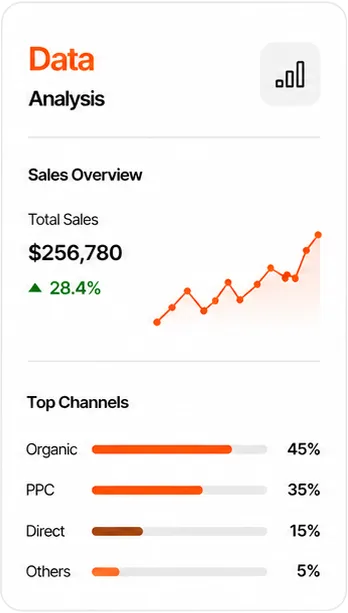
Shopify Data Sources We Can Review:
Performance Reports
Review important areas such as Core Web Vitals, store speed, SEO signals, conversion metrics, traffic, product performance, and overall storefront performance.
Store Overview
Get a broader view of your Shopify store’s strengths, weaknesses, and potential improvement areas.
Customer Behavior
Use available customer behavior insights to understand how visitors interact with your store.
Advanced Store Analysis
Go deeper into technical issues, UX problems, mobile responsiveness, and other optimization opportunities.
When Is a Shopify Store Audit Useful?
Key Audit Milestones & Scenarios:
A Shopify Store Audit can be useful when you want a clearer understanding of what may be affecting your store’s performance or customer experience.
New Shopify Store
Launching a new store? An audit can help identify issues before they become part of the customer experience.
Existing Store With Low Conversions
If your store receives visitors but the available data shows weak engagement, add-to-cart activity, checkout progression, or sales performance, a customer-journey review may identify areas requiring further investigation.
Slow Shopify Store
If pages feel slow or performance is becoming a concern, a performance audit can help identify potential problem areas.
Store Redesign or Revamp
Before or after a Shopify redesign, an audit can help identify technical, UX, SEO, and performance opportunities.
Growing Ecommerce Business
As your store grows, additional apps, products, content, and functionality can increase complexity. An audit can help identify areas that need optimization.
Store With SEO Concerns
If search visibility is a priority, a Shopify SEO Audit can help identify technical and on-page areas requiring attention.
Build on What Your Store Audit Reveals
An audit can identify opportunities. The next step may involve improving the areas that matter most to your store.
Depending on your requirements, Shopify optimization can connect with broader ecommerce services such as:
Shopify Website Development
Implement agreed technical, template, integration, and functionality improvements identified during the audit.
Explore Shopify Website DevelopmentShopify Revamp Design
Improve the store’s visual experience, structure, navigation, and customer journey where the audit indicates a broader design need.
Explore Shopify Revamp DesignShopify Store Management
Maintain products, collections, content, inventory, settings, and other agreed store operations after implementation.
Explore Shopify Store ManagementShopify Product Listing
Improve product presentation and information across the Shopify catalog where the audit identifies product-page or catalog opportunities.
Explore Shopify Product ListingShopify Content Copy
Develop or revise product and website copy where messaging, clarity, or content structure requires attention.
Explore Shopify Content CopyShopify On-Demand Tasks
Address specific Shopify updates, fixes, or ongoing requirements identified during the audit or later store operations.
Explore Shopify On-Demand TasksFrequently Asked Questions
What is a Shopify Store Audit?
+
A Shopify Store Audit is a structured review of important areas of your Shopify website to identify technical, performance, SEO, UX, conversion, app, theme, and other optimization opportunities. The audit is diagnostic. It identifies observations, potential issues, priorities, and next steps; implementation is a separate scope unless explicitly included.
What does a Shopify Store Audit include?
+
Depending on your store and audit requirements, BIE can review store performance, SEO, user experience, conversion paths, apps, theme setup, mobile responsiveness, analytics, reporting, and other areas affecting store performance. The exact review depends on the store, Shopify plan, theme, apps, integrations, analytics access, traffic, product catalog, and business questions.
Why should I get a Shopify Website Audit?
+
A Shopify Website Audit can help you identify issues that may otherwise be difficult to spot, including performance concerns, SEO gaps, UX problems, unnecessary apps, theme issues, and potential customer-journey, usability, measurement, and implementation barriers.
Does BIE provide a Shopify SEO Audit?
+
Yes. BIE’s Shopify audit services include SEO analysis covering areas such as technical SEO, metadata, indexing, page structure, and search visibility opportunities. SEO findings may depend on Google Search Console, analytics access, crawlability, indexing, template structure, metadata, redirects, internal links, and available content.
Does the audit include Shopify speed optimization?
+
The audit can review store speed and performance using available Shopify Web Performance reports, Core Web Vitals, page-type data, URL-level information, and other diagnostic tools. The audit identifies likely priorities; implementation and performance improvement are separate steps.
Can you audit my Shopify apps and theme?
+
Yes. BIE’s Shopify Store Audit includes review of app usage and theme setup, including potential conflicts, unnecessary apps, functionality concerns, and optimization opportunities. The review may include installed apps, app embeds, app blocks, scripts, theme code, integrations, duplication, conflicts, and performance impact. Some findings may require the app developer or another technology provider to resolve.
Does a Shopify Store Audit improve conversions automatically?
+
No audit can guarantee a specific conversion improvement. The purpose of the audit is to identify potential issues and opportunities across the customer journey so that informed optimization decisions can be made. The audit provides recommendations; conversion improvement requires implementation, testing, traffic, offer, product, and customer-experience factors to be evaluated.
Can BIE implement the recommendations after the audit?
+
BIE also provides Shopify services such as website development, revamp design, store management, product listing, content copy, and on-demand Shopify tasks. The appropriate next step depends on the findings and your store requirements. Implementation depends on the required access, Shopify plan, theme architecture, apps, integrations, development scope, and whether third-party providers are involved.
Can you audit my Shopify store on mobile as well?
+
Yes. Mobile responsiveness and mobile-related user experience are among the areas that can be reviewed as part of a broader Shopify store analysis. Mobile review may include responsive layouts, Core Web Vitals by device, navigation, forms, product templates, collection pages, media, cart actions, and device-specific usability. Shopify’s performance reports distinguish desktop and mobile experiences.
What is the difference between a Shopify store audit and a Shopify store revamp?
+
A store audit is a diagnostic review that identifies issues and priorities. A store revamp is implementation work that changes the design, theme, pages, functionality, performance, or customer experience based on an agreed scope.
Turn Shopify Store Findings Into a Clear Improvement Roadmap
Your Shopify store should make it easy for customers to discover products, understand what you offer, navigate your website, and move through the buying journey.
A Shopify Store Audit can help you identify observations and priorities across performance, SEO, UX, customer journeys, analytics, apps, theme setup, and other critical areas.