Selling on Amazon continues to be one of the most profitable ventures for entrepreneurs, especially in 2026. The platform has evolved, offering new tools, a broader global customer base, and even greater support for sellers. But how do you stand out in this massive marketplace? This guide will provide you with everything you need to succeed as a new seller on Amazon.
Contents
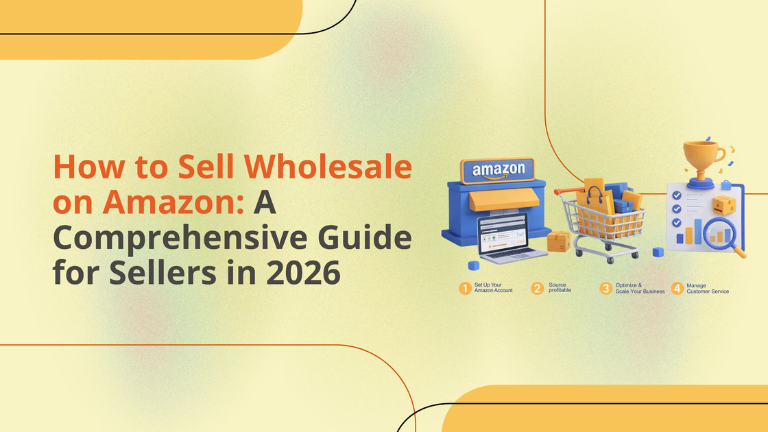
Step 1: Choosing Your Amazon Selling Plan
Before you begin selling, you must choose between two primary selling plans: the Individual Plan and the Professional Plan. The Individual Plan is best suited for those selling fewer than 40 items a month, while the Professional Plan is ideal for those who expect to sell more than 40 items each month. The Professional Plan also gives you access to advanced tools, including advertising features, which are crucial for scaling your business.
Step 2: Listing Your Products
Once your account is set up, it’s time to list your products. You have two options: match your product to an existing listing or create a new one. If you’re selling branded products, ensure your listings are unique and optimize them with relevant keywords. Use high-quality images and detailed product descriptions to ensure your customers understand exactly what you are selling.
Step 3: Competitive Pricing and Promotion Strategies
Setting a competitive price is key to getting noticed on Amazon. Amazon uses a pricing algorithm that factors in the lowest external price and the price within the platform to determine visibility. Consider using Amazon’s Automate Pricing tool to ensure your prices stay competitive. You can also run promotions, such as discounts or coupon offers, to attract more customers.
Step 4: Marketing Your Products on Amazon
Once your listings are live, marketing is crucial. Sponsored Products ads are an excellent way to drive traffic to your listings. Use relevant keywords and target your ads effectively. Additionally, take advantage of Amazon’s A+ Content and Brand Stores to enhance your product presentation and increase customer engagement.
Step 5: Fulfillment by Amazon (FBA) vs. Fulfilled by Merchant (FBM)
When it comes to fulfilling orders, you have two main options: Fulfillment by Amazon (FBA) and Fulfilled by Merchant (FBM). FBA allows Amazon to handle storage, shipping, customer service, and returns, and your products will be eligible for Amazon Prime, which increases sales. FBM means you handle fulfillment yourself, which gives you more control but also more responsibility.
Step 6: Monitoring Your Performance and Scaling
Once you’re up and running, it’s essential to monitor your account health and product performance. Amazon provides a dashboard that shows key metrics such as your Order Defect Rate and Late Shipment Rate. Use these insights to refine your operations. Additionally, look into advanced tools like Global Selling and Amazon Business to expand your reach internationally and to businesses.
Ready to kickstart your Amazon journey?
Let’s optimize your listings and marketing strategies for maximum growth. Schedule a call with us today to learn how we can help you scale.
Follow Big Internet Ecommerce (BIE) on Instagram & LinkedIn to stay updated with the latest trends in Amazon selling.