Big Internet Seller Services Inc provides e-commerce Services

Get your first Product Photoshoot for FREE! Learn More

Uncategorized

DTC Model for Amazon Sellers

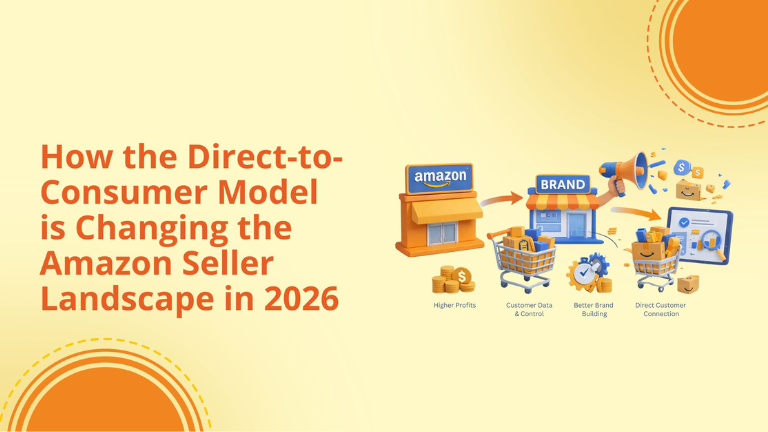
How the Direct-to-Consumer Model is Changing the Amazon Seller Landscape in 2026

The Direct-to-Consumer (DTC) model has completely transformed the way businesses operate in the retail world, and Amazon Sellers are beginning to realize its potential. By cutting out the middleman, DTC allows sellers to take control of their brand experience, customer relationships, and sales process. In this blog, we’ll explore how DTC brands are revolutionizing e-commerce and how you, as an Amazon seller, can take advantage of this model for your business growth. What Is a DTC Brand?  At its core, a DTC brand sells products directly to consumers without relying on traditional retail intermediaries. This model eliminates the complexities and costs of wholesalers, distributors, and brick-and-mortar stores. Instead, the brand manages everything from production to delivery, allowing for more efficient operations and a closer relationship with customers. The Rise of DTC Brands in E-Commerce  In recent years, DTC brands have risen to prominence thanks to the growth of e-commerce and digital marketing. Brands can now establish themselves online and directly connect with consumers through websites, social media, and personalized marketing campaigns. By leveraging tools like Amazon Brand Registry, AI for customer engagement, and multi-channel selling, DTC brands have been able to create loyal customer bases and scale rapidly. The Benefits of DTC for Amazon Sellers  Lower Costs – By eliminating intermediaries, DTC brands can reduce costs and increase profit margins. Customer Loyalty – Direct communication with customers builds stronger relationships and fosters brand loyalty. Faster Innovation – DTC brands can quickly experiment with new products or models, adapting faster than traditional retailers. How Big Internet Ecommerce Can Help  Big Internet Ecommerce (BIE) helps Amazon Sellers optimize their DTC strategy. Whether you’re launching a new product or scaling an existing brand, we assist you in managing customer relationships, improving product listings, and leveraging the right technologies for multi-channel selling. Our team of experts can guide you in navigating the complexities of Amazon and beyond, ensuring your business thrives in the growing DTC landscape. Ready to explore how the DTC model can transform your Amazon business?  Book a consultation with our experts today! Follow Big Internet Ecommerce (BIE) on Instagram & LinkedIn to stay updated with the latest trends in Amazon selling.

How the Direct-to-Consumer Model is Changing the Amazon Seller Landscape in 2026 Read More »

Amazon Seller Registrations

Why Amazon’s Decrease in New Seller Registrations is Actually Good News for Strategic Sellers

In 2025, new Amazon seller registrations fell to their lowest point in a decade. While this may sound like a setback for newcomers, it actually signals a shift that strategic sellers can use to their advantage. The latest data reveals that fewer sellers are entering the marketplace, but those who are have a significant advantage. With more than 100,000 sellers generating over $1 million annually, it’s clear that Amazon is becoming a platform for the experienced and operationally efficient. But what does this mean for you, the seller? The Key Takeaways from the 2025 Data Traffic per seller increased by 31%. Revenue concentration is growing: More than 100,000 sellers now make $1M+, up from 60,000 in 2021. Fewer new entrants mean increased competition and higher operational expectations. The reality is that Amazon is rewarding sellers who can optimize their listings, manage advertising, and optimize inventory effectively. For those who can adapt, this is an opportunity to rise above the noise. Why Amazon’s Shifting Marketplace Is Important for Sellers  The market is consolidating around high-quality sellers. Here’s why it matters: Less Competition: While fewer new sellers are entering, this actually increases your visibility if you focus on optimization. Higher Conversion: Optimized listings and PPC campaigns get more clicks and higher conversion. Sustained Growth: Revenue is concentrated among top sellers. Fewer sellers are now controlling the majority of the marketplace traffic. How Big Internet Ecommerce Helps You Stay Ahead We specialize in helping sellers optimize their listings, improve PPC campaigns, and streamline inventory management. With over 15 years of experience in the Amazon space, we know how to get your products in front of the right customers — and keep them there. We help you navigate the changing marketplace, keep your strategy ahead of the competition, and ensure you get the best results possible. Book a call with us today to learn how we can help you scale in this evolving Amazon landscape. Follow Big Internet Ecommerce (BIE) on Instagram & LinkedIn to stay updated with the latest trends in Amazon selling.

Why Amazon’s Decrease in New Seller Registrations is Actually Good News for Strategic Sellers Read More »

Amazon FNSKU barcodes

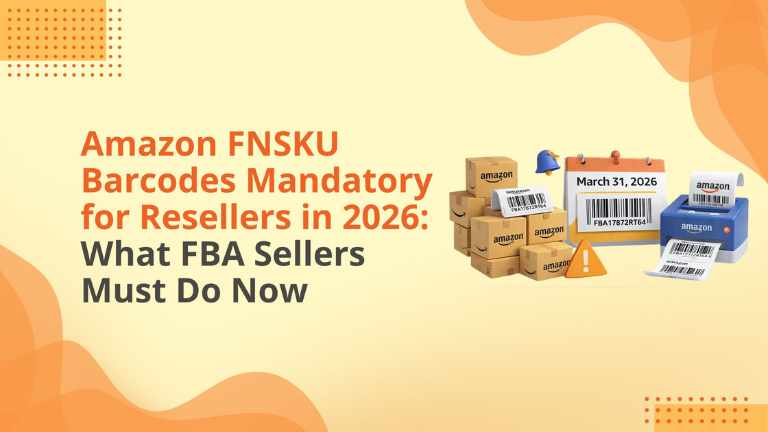
Amazon FNSKU Barcodes Mandatory for Resellers in 2026: What FBA Sellers Must Do Now

Amazon has announced a major Fulfillment by Amazon (FBA) update that directly impacts resellers. Beginning March 31, 2026, Amazon FNSKU barcodes will be mandatory for sellers who are not enrolled in Brand Registry — even if products already carry manufacturer UPC codes. This update eliminates stickerless commingled inventory for non-brand sellers and fundamentally changes how inventory must be prepared before reaching fulfillment centers. For wholesale sellers, drop shippers, and hybrid FBA models, this shift introduces operational and cost considerations that require immediate planning. Why Amazon Is Mandating FNSKU Label Previously, Amazon allowed: Manufacturer barcode usage (UPC/EAN) Pooled inventory across sellers Stickerless commingling However, commingled inventory created: Counterfeit risk Inventory tracking challenges Attribution issues between sellers By requiring Amazon FNSKU barcodes, Amazon ensures: Unit-level seller attribution Improved traceability Stronger compliance control Reduced fraud risk This aligns with Amazon’s broader compliance tightening seen in labeling, transparency, and brand protection programs. What Changes on March 31, 2026 Non-Brand Registered Sellers: Must apply FNSKU label per unit Cannot rely solely on UPC Must update barcode preferences in Seller Central Must revise prep workflows Brand Registered Sellers: May still use manufacturer barcodes (if eligible) Maintain stickerless commingling option This creates a competitive structural advantage for brand owners. Operational & Financial Impact 1. Labeling Costs Third-party prep centers may charge: $0.20–$0.50 per unit Handling fees Additional storage For high-volume wholesale sellers, this can significantly impact margins. 2. Drop Shipping Complexity If suppliers ship directly to FBA: Factory-level FNSKU application becomes mandatory OR Inventory must route through prep centers This adds: Lead time Operational friction Working capital exposure 3. Inventory Rejection Risk Failure to comply may result in: Receiving delays Inventory defects Increased fees Account performance risk How Sellers Should Prepare  Audit all SKUs not enrolled in Brand Registry Update barcode preference in Seller Central Negotiate factory-level FNSKU printing Calculate new per-unit cost impact Evaluate transition toward private label If you are running hybrid wholesale models, consider whether brand ownership reduces long-term cost risk. Strategic Perspective This update reinforces a trend: Amazon increasingly favors structured, brand-controlled ecosystems over anonymous wholesale reselling. Brand Registry continues to offer: Listing control Manufacturer barcode eligibility IP protection Enhanced advertising tools Learn more about building and protecting your brand through strategic Amazon growth. The Amazon FNSKU barcode requirement is not just a labeling change. It is a structural shift in how inventory ownership is enforced within FBA. Resellers who prepare now will: Avoid disruption Protect margins Maintain inbound efficiency Reduce compliance risk Those who wait may face shipment delays, unexpected costs, and operational stress. If you need help restructuring your FBA labeling and supply chain before enforcement: Schedule a strategy call. Follow Big Internet Ecommerce (BIE) on Instagram & LinkedIn to stay updated with the latest trends in Amazon selling.

Amazon FNSKU Barcodes Mandatory for Resellers in 2026: What FBA Sellers Must Do Now Read More »

Amazon dietary supplement policy enforcement

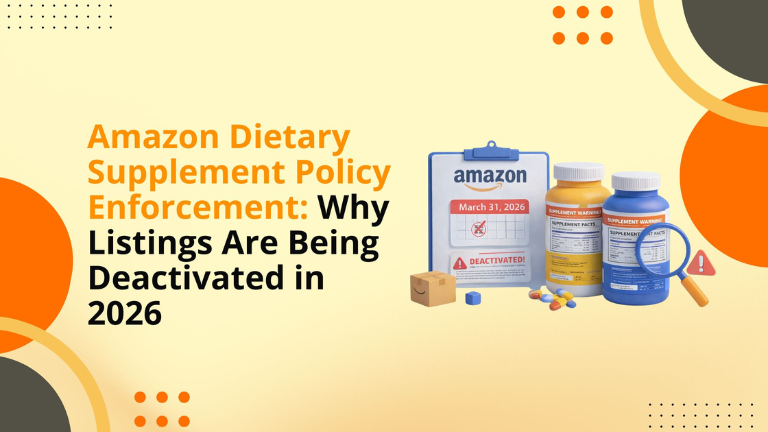
Amazon Dietary Supplement Policy Enforcement: Why Listings Are Being Deactivated in 2026

Amazon is fundamentally changing how dietary supplements are governed on its marketplace. With enforcement beginning March 31, 2026, Amazon is no longer treating supplement listings as marketing assets. Instead, they are being evaluated as regulated product labels, requiring exact alignment between listing content and the Supplement Facts Panel. For sellers, this represents a structural shift — one that puts thousands of legacy listings at risk. What Is Amazon’s New Dietary Supplement Policy Enforcement? Under the updated enforcement: All ingredient names, weights, and servings must match labels exactly Marketing reinterpretation or “equivalent raw material” math is prohibited Images must show complete Supplement Facts Panels Third-party testing and cGMP compliance must be documented Amazon is using AI-driven compliance monitoring, increasing detection speed and scale. Why Amazon Is Tightening Enforcement This shift aligns Amazon with regulatory expectations across: FDA labeling standards Consumer protection laws Marketplace trust and safety initiatives Amazon is optimizing for accuracy and defensibility, not storytelling. Common Violations Triggering Deactivations Inflated potency claims in titles Extract vs source weight mismatches Missing serving size clarity Incomplete label images Unsupported health or disease claims Most affected listings are older, high-volume SKUs. Expanded Testing & TIC Requirements Amazon now requires: Third-party testing via accredited TIC partners cGMP verification Heavy metals, microbial, and pesticide testing Programs like Compliance Fast-Track allow Amazon to auto-verify certifications from partners such as NSF, USP, and BSCG. How Sellers Should Respond Strategically This is not a copy rewrite exercise. Sellers must: Perform full label-to-listing audits Standardize compliant copy frameworks Remove high-risk claims without hurting conversion Prepare documentation proactively How Big Internet Ecommerce Supports Supplement Brands We help Amazon supplement sellers: Identify policy exposure before enforcement Rebuild compliant listings that still convert Align testing, documentation, and content Scale safely across SKUs and marketplaces Our focus is risk-adjusted growth, not just compliance. If you sell dietary supplements on Amazon, waiting is the riskiest move. Schedule a compliance & listing audit call. Follow Big Internet Ecommerce (BIE) on Instagram & LinkedIn to stay updated with the latest trends in Amazon selling.

Amazon Dietary Supplement Policy Enforcement: Why Listings Are Being Deactivated in 2026 Read More »

Amazon Prepaid Return Labels

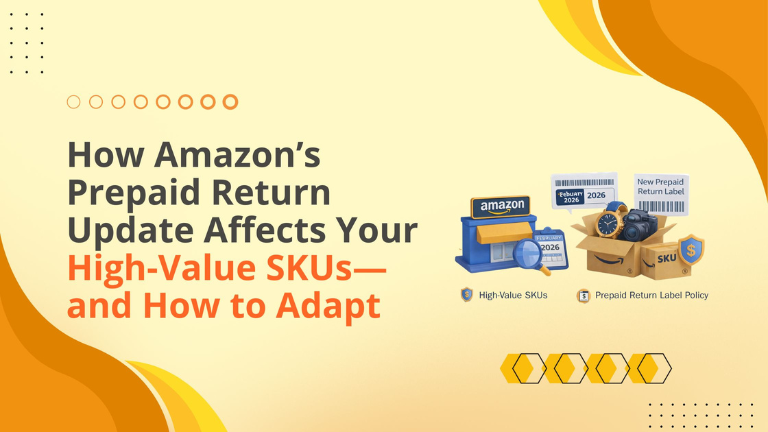
How Amazon’s Prepaid Return Update Affects Your High-Value SKUs—and How to Adapt

Amazon’s return policy is changing. Starting February 8, 2026, Amazon will require all sellers—even those with high-value products—to use Prepaid Return Labels (APRL). While this move makes returns easier for buyers, it shifts more cost and risk to you as a seller. This comprehensive update will impact refund timelines, return processing, and inventory protection. Here’s how you can adapt to ensure your high-value SKUs remain profitable. What’s Changing in Amazon’s Return Policy? Amazon’s new policy removes the high-value return exemption. This means all products, including electronics, jewelry, and luxury items, will now be subject to standard return processes. Key changes: Automatic Prepaid Return Labels for all products. Refund processing times shortened from 14 days to 7 days. Less buyer-seller messaging—buyers won’t contact sellers for labels anymore. What Does This Mean for Sellers? Higher Return Risk for High-Value Items: Fraud risks rise with fewer seller protections. Faster Refunds: Less time to inspect returns before issuing refunds. Streamlined Operations: No more manual approval of return labels. How Big Internet Ecommerce Can Help Our Amazon experts help sellers like you: Implement tight controls for high-value SKUs. Improve documentation for SAFE-T claims. Track return patterns to optimize return cost forecasting. Want to prepare your high-value products for the new return policy? Schedule a call to get actionable strategies and tools to protect your margins. Follow Big Internet Ecommerce (BIE) on Instagram & LinkedIn to stay updated with the latest trends in Amazon selling.

How Amazon’s Prepaid Return Update Affects Your High-Value SKUs—and How to Adapt Read More »

Amazon Seller Promo Codes

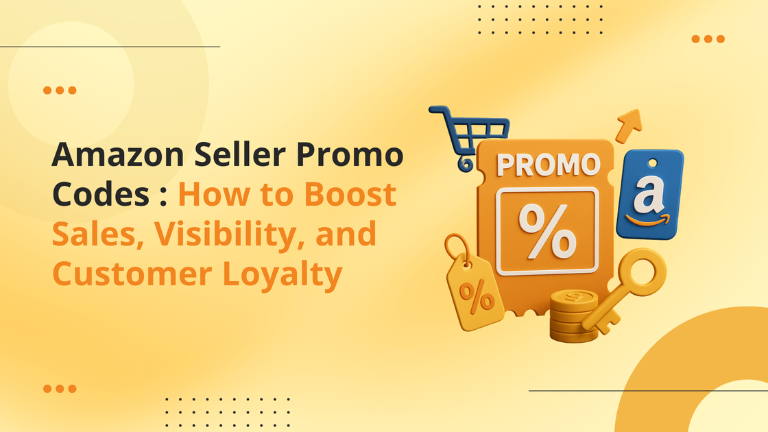
Amazon Seller Promo Codes: How to Boost Sales, Visibility, and Customer Loyalty

Shoppers may love discounts, but sellers love conversions — and Amazon promo codes deliver both. Amazon’s built-in Promotions tool lets sellers create claim codes (or promo codes) that drive sales, reward loyalty, and help clear inventory strategically. Whether you’re launching new products, moving seasonal stock, or collaborating with influencers, promo codes are one of the most cost-effective ways to grow your brand visibility and customer base. We’ll explore what Amazon promo codes are, how they differ from coupons or deals, when to use them, and step-by-step instructions to create your own high-performing promotion. What Are Amazon Promo Codes? Amazon promo codes — or claim codes — are unique alphanumeric codes that buyers enter at checkout to redeem a discount. These can be tied to either a percentage-off or Buy One Get One (BOGO) promotion. There are two types: Single-use claim codes: Unique to each customer, perfect for loyalty or influencer marketing. Group claim codes: Shared publicly and can be used by anyone (limited to one use per customer if you choose). Promo codes can be created and tracked directly in Seller Central → Advertising → Manage Promotions. Promo codes offer the most flexibility — ideal for social, influencer, or seasonal campaigns. Benefits of Using Amazon Promo Codes Target new audiences: Reach niche customer groups via social media or affiliate links. Boost conversions: Give hesitant buyers a reason to complete checkout. Reward loyal customers: Offer single-use codes for repeat purchases. Measure ROI: Track redemptions to see which channels perform best. Move inventory fast: Clear overstock without publicly slashing prices. Data shows that time-sensitive offers increase conversion rates by 25–40%, especially during high-traffic events like Black Friday or Prime Day. When Should You Create Promo Codes? Use promo codes strategically, not constantly. Ideal situations include: Slow sales periods — to stimulate purchases. Product launches — to drive awareness. Holidays and events — when customers are deal-hunting. Overstock clearance — to move older inventory. Influencer campaigns — track performance across audiences. How to Create Amazon Promo Codes (Step-by-Step) Go to Seller Central → Advertising → Manage Promotions. Choose Create a new promotion. Select either Buy One Get One (BOGO) or Percentage-Off. Set eligibility, start/end dates, and claim code type. Create single-use or group claim codes. Review and submit for approval. Once live, you can view performance in Manage Your Promotions, tracking orders, redemptions, and campaign results in real time. Pro Tips for High-Converting Promo Codes Keep them time-sensitive to create urgency. Highlight the promo on social posts, A+ content, and product listings. Use single-use codes for VIP or influencer promotions to prevent misuse. Bundle complementary products for higher order values. Track redemption trends and replicate top-performing campaigns. Why Promo Codes Matter for Long-Term Growth Promo codes don’t just create short-term sales spikes — they help build brand trust and repeat business. By offering exclusive, trackable discounts, sellers create positive buying experiences that lead to stronger customer relationships, better feedback, and improved brand visibility. How Big Internet Ecommerce Can Help At BigInternetEcommerce.com, we help sellers do more than just create discounts — we help them create strategies.  Our team can: Set up promo campaigns that sync with inventory and ad plans. Track redemption data to measure ROI. Coordinate influencer campaigns with unique promo tracking. Help optimize pricing, visibility, and conversions during key shopping seasons. Schedule your strategy session with Big Internet Ecommecre. Let’s plan your next Amazon promotion for measurable growth. Follow Big Internet Ecommerce (BIE) on Instagram & LinkedIn to stay updated with the latest trends in Amazon selling.

Amazon Seller Promo Codes: How to Boost Sales, Visibility, and Customer Loyalty Read More »

Expand Globally in 2025: A Seller’s Guide to Going Global

As 2025 approaches, the prospect of global expansion is becoming increasingly attractive to Amazon sellers. With over 20 international marketplaces and a growing base of online shoppers worldwide, Amazon offers unparalleled opportunities for sellers to scale their businesses globally. But entering new markets comes with challenges that require careful planning and execution. In this article, we’ll explore why global expansion matters, how to prepare your business for international selling, and actionable steps to make your global journey a success. Whether you’re new to selling internationally or looking to refine your strategy, this article has you covered. Why Expanding Globally Can Transform Your Business Expanding to international markets isn’t just about boosting sales; it’s about positioning your brand for long-term growth and resilience. Here’s why global expansion should be on your 2025 roadmap: 1. Access to New Customers By selling in international markets, you unlock access to millions of untapped customers. For example, Amazon Europe alone accounts for over 300 million customers. 2. Diversify Revenue Streams Relying solely on a single market can make your business vulnerable to regional downturns or regulatory changes. Diversifying across multiple marketplaces ensures consistent revenue and reduces risks. 3. Boost Brand Authority Establishing your presence in multiple regions positions your brand as a global player, increasing credibility and trust among customers worldwide. Preparing Your Business for Global Expansion Before diving into international markets, it’s crucial to set the foundation for success. Here’s how: 1. Research Target Markets Identify regions where your products have high potential. Look for marketplaces with strong demand and lower competition. Amazon’s European marketplaces, Japan, and the UAE are popular choices. 2. Understand Regional Regulations Familiarize yourself with each market’s regulations, taxes, and customs requirements. Compliance is essential to avoid penalties and ensure smooth operations. 3. Assess Fulfillment Options Decide whether you’ll use Fulfillment by Amazon (FBA) or handle shipping independently. FBA simplifies logistics but comes with additional fees. 4. Localize Your Operations Localization goes beyond language translation. It involves adapting product descriptions, marketing strategies, and even packaging to resonate with local audiences. 5 Steps to Expand Globally in 2025 Once your business is prepared, follow these actionable steps to successfully expand: 1. Choose the Right Amazon Marketplace Amazon operates in over 20 countries, each with unique customer preferences and market dynamics. Some of the top marketplaces include: Europe: Germany, the UK, and France offer high purchasing power and established e-commerce markets. Asia: Japan is a top choice for sellers due to its tech-savvy population and high demand for quality products. Middle East: The UAE provides access to affluent shoppers and growing e-commerce adoption. Pro Tip: Start with one or two marketplaces to test the waters before expanding further. 2. Optimize Listings for Localization Localization is the key to connecting with international customers. Generic listings often fail to convert because they don’t address cultural nuances or language preferences. How to Localize Listings: Professional Translation: Use native translators to ensure accurate and culturally relevant descriptions. Localized Keywords: Perform keyword research specific to each region. For instance, shoppers in the UK may search for “lorry” instead of “truck.” Adopt Local Metrics: Include units of measurement like kilograms, liters, or centimeters based on regional standards. Stat: Listings optimized for local languages see a 3x higher conversion rate compared to generic listings. 3. Navigate Tax and Compliance Requirements Taxation and compliance are among the biggest challenges for global sellers. Each marketplace has unique tax laws, such as VAT in Europe or GST in Canada. Tips for Compliance: Use Automation Tools: Tools like Avalara or Amazon’s VAT services simplify tax calculations and filings. Stay Updated: Tax laws change frequently. Regularly review updates from Amazon and local tax authorities. Consult Experts: Partner with a tax consultant who specializes in international e-commerce. Insight: Sellers who integrate tax automation tools reduce compliance errors by 50%. 4. Leverage Amazon’s Global Logistics Network Fulfillment by Amazon (FBA) is a game-changer for international selling. It handles shipping, customs, and returns, allowing you to focus on scaling your business. Benefits of FBA: Faster delivery times. Simplified customs clearance. Improved customer satisfaction. Pro Tip: Use Amazon Global Logistics (AGL) to streamline inventory management across multiple marketplaces. Did You Know? FBA sellers in international markets experience a 40% improvement in delivery speed and customer satisfaction. 5. Develop a Marketing Strategy for Global Audiences Marketing strategies that work in your domestic market may not resonate internationally. Tailored campaigns are essential for success. Strategies for Global Marketing: Localized Ads: Use Amazon Sponsored Ads with region-specific targeting. Leverage Influencers: Partner with local influencers to build trust and credibility. Seasonal Promotions: Align campaigns with local holidays and events, such as Black Friday in the US or Singles’ Day in China. Fact: Products advertised with localized campaigns perform 60% better than generic ads. Bonus Tips for Successful Global Expansion Start Small Begin with one or two marketplaces to minimize risk and streamline operations before scaling further. Focus on Best-Selling Products Test the waters with products that already have strong demand and positive reviews in your domestic market. Analyze Performance Metrics Use Amazon’s Seller Central tools to monitor sales, traffic, and conversion rates. Adjust strategies based on performance insights. Overcoming Challenges of Global Expansion While the benefits of global selling are immense, it’s important to be aware of potential obstacles: 1. Language Barriers Solution: Invest in professional translation and customer support services. 2. Complex Taxation Solution: Use automated tools and hire experts for seamless tax management. 3. Cultural Differences Solution: Conduct thorough market research to understand local preferences and behavior. Bottom Line:  Expanding globally on Amazon is a powerful way to scale your business, diversify revenue, and build a global brand. By choosing the right marketplaces, localizing your listings, navigating compliance, leveraging FBA, and developing tailored marketing strategies, you can unlock new opportunities and set your business up for long-term success. The time to plan your global expansion is now. Start small, focus on best-sellers, and monitor performance to refine your approach. With the right strategy, 2025 can be the year your

Expand Globally in 2025: A Seller’s Guide to Going Global Read More »

Recover Value from Returns: A Guide to Amazon’s FBA Grade and Resell Program (2025)

Amazon’s e-commerce ecosystem continues to evolve, offering sellers innovative ways to maximize revenue and reduce waste. The latest addition to this evolution is the FBA Grade and Resell Program, launched on January 2, 2025. This initiative is designed to help sellers recover value from returned products while supporting sustainability goals and maintaining inventory efficiency. In this article, we’ll dive deep into the program, why it matters, how it works, and tips for leveraging it to its full potential. What is Amazon’s FBA Grade and Resell Program? The FBA (Fulfillment by Amazon) Grade and Resell Program is Amazon’s newest initiative aimed at helping sellers resell returned items that meet specific condition standards. Instead of discarding returned products or absorbing financial losses, sellers can now relist eligible items, reducing waste and recapturing revenue. Why This Program Matters For sellers on Amazon, returns have always been a significant challenge. Whether due to buyer’s remorse, minor product defects, or damaged packaging, returns can lead to: Lost revenue Excess inventory costs Environmental waste The FBA Grade and Resell Program addresses these challenges by: Recapturing Value: Sellers can recover part of their investment by reselling returned items. Reducing Waste: Minimizing product disposal supports sustainability. Streamlining Inventory: Efficient return management keeps inventory processes smooth and profitable. How the FBA Grade and Resell Program Works 1. Eligible Returns Amazon evaluates returned items to determine if they meet specific condition standards. Items that qualify can be relisted for resale. Conditions Covered: New: The product is unused and undamaged. Like New: The item shows minimal signs of handling. Very Good: Minor cosmetic imperfections, fully functional. Good: Noticeable wear but still functional. Acceptable: Significant wear but usable. 2. Reduced Disposal Fees Traditionally, sellers paid fees to have returned products disposed of. With this program, sellers can avoid these fees by opting to resell eligible returns instead. 3. Integration with FBA The program seamlessly integrates with Amazon’s FBA network. Once a return is processed, it is inspected, graded, and prepared for resale through Amazon’s platform. This ensures minimal manual intervention from sellers. Key Benefits of the FBA Grade and Resell Program 1. Maximize Product Lifespan Instead of discarding returned items, this program gives products a second life. Items that might otherwise go to waste can be resold, benefiting both the environment and your bottom line. 2. Boost Profitability By recovering revenue from returned items, sellers can improve profit margins. Even products sold at a discount contribute to overall profitability when compared to complete loss through disposal. 3. Improve Sustainability Eco-conscious consumers increasingly prefer brands that prioritize sustainability. By participating in this program, sellers can highlight their commitment to reducing waste and promoting environmental responsibility. 4. Stay Competitive Efficient return management is critical in today’s fast-paced e-commerce environment. The FBA Grade and Resell Program helps sellers maintain a competitive edge by reducing waste and optimizing inventory. Challenges Sellers Face with Returns Despite the benefits of the program, returns remain a challenge for many sellers. Understanding and addressing these challenges is key to success: 1. High Return Rates Certain categories like fashion, electronics, and home goods tend to have higher return rates due to sizing issues, buyer’s remorse, or product defects. 2. Inventory Management Managing returns alongside new inventory can complicate stock management. Sellers need streamlined systems to avoid inefficiencies. 3. Compliance with Amazon’s Guidelines Ensuring returned items meet Amazon’s eligibility criteria for resale requires careful monitoring and adherence to guidelines. Tips for Maximizing the Program’s Benefits To fully leverage the FBA Grade and Resell Program, sellers should adopt strategic practices: 1. Understand Amazon’s Condition Guidelines Familiarize yourself with Amazon’s condition standards to determine which returned items are eligible for resale. Use tools like Amazon’s seller dashboard to monitor the condition and status of returns. 2. Act Quickly on Returns Process returns as soon as they arrive to ensure eligible items are relisted promptly. Quick action minimizes the time items remain out of inventory and maximizes the chances of resale. 3. Use FBA Prep Services FBA prep services can help inspect, label, and prepare returned items for resale, ensuring they meet Amazon’s standards. Outsourcing this task can save time and reduce errors. 4. Monitor Return Trends Identify trends in returns to pinpoint common issues like product defects, misleading descriptions, or poor packaging. Use this data to improve product quality and customer satisfaction, reducing future returns. 5. Highlight Sustainability Efforts Promote your participation in the FBA Grade and Resell Program as part of your brand’s commitment to sustainability. Eco-conscious branding can attract customers and build trust. FAQs About the FBA Grade and Resell Program 1. Are all returned items eligible for resale? No. Only items that meet Amazon’s condition standards (e.g., New, Like New, Very Good) are eligible for resale. 2. How does Amazon determine the condition of returned items? Amazon’s inspection process evaluates returned items based on factors like usability, packaging, and cosmetic condition. 3. Can I opt out of the program? Yes, participation in the program is optional. Sellers can choose to dispose of returned items if they prefer. 4. How does pricing work for resold items? Resold items are typically listed at a discounted price based on their condition. Sellers can adjust prices to remain competitive. The Sustainability Impact In addition to financial benefits, the FBA Grade and Resell Program has a significant environmental impact. By reducing product waste, Amazon and its sellers contribute to: Lower landfill contributions Reduced carbon emissions A circular economy in e-commerce Eco-conscious consumers value brands that align with these principles, making sustainability an important aspect of long-term success. Conclusion Amazon’s FBA Grade and Resell Program is a game-changer for sellers looking to recover value from returns while promoting sustainability. By understanding how the program works, acting quickly on returns, and leveraging FBA integration, sellers can maximize profitability and reduce waste. As of January 2025, this program represents one of the most innovative tools available to Amazon sellers. Don’t miss the opportunity to turn returns into revenue and give your business a competitive edge. Ready to make


Recover Value from Returns: A Guide to Amazon’s FBA Grade and Resell Program (2025) Read More »

Spot Fake Reviews and Build Trust on Amazon: A Guide for Amazon Sellers

Reviews play a crucial role in shaping the success of any Amazon seller. They serve as a key factor for consumers when making purchasing decisions, helping to build trust and credibility. However, not all reviews are genuine, and the rise of fake reviews poses a significant challenge to sellers. These deceptive reviews can distort product ratings, create confusion, and erode the trust you’ve worked hard to build. Identifying and addressing fake reviews is essential for maintaining a positive reputation and sustaining business growth on Amazon. This article dives deep into the problem of fake reviews, their impact on your business, and most importantly, how to spot them and protect your Amazon store. By following the strategies outlined in this article, you can build trust with customers, increase sales, and safeguard your Amazon account. The Impact of Fake Reviews on Your Amazon Business Before diving into strategies for spotting and addressing fake reviews, it’s important to understand their potential impact. Fake reviews can cause significant harm in various ways: 1. Erosion of Customer Trust Trust is the cornerstone of any business, and Amazon is no exception. Customers rely heavily on reviews to make purchasing decisions. Fake reviews can deceive potential buyers into thinking a product is better or worse than it truly is. This leads to mistrust, and when customers feel misled, they are less likely to purchase from you again. 2. Distorted Product Ratings Fake reviews can artificially inflate or deflate your product ratings. Positive fake reviews may make your product appear more popular than it actually is, while negative fake reviews can harm a product’s reputation. Both scenarios distort the customer’s perception of your product and ultimately influence their purchasing decisions. 3. Compliance Risks Amazon has strict policies regarding fake reviews, and violating these rules can result in penalties. If Amazon detects suspicious reviews, they may take down your product listings, suspend your account, or even ban you from selling on their platform. Sellers who engage in or tolerate fake reviews face serious consequences, which can severely affect their business. 4. Loss of Rankings Amazon uses product reviews as one of the key factors in determining search rankings. If your product has fake reviews—whether positive or negative—your product’s organic ranking can suffer. A decline in your rankings directly impacts visibility, leading to fewer sales and a reduced presence on the platform. How to Spot Fake Reviews on Amazon The first step in combating fake reviews is learning how to spot them. While Amazon has implemented several systems to detect fraudulent activity, some fake reviews may still slip through the cracks. Here are a few signs to watch out for: 1. Suspicious Review Patterns Fake reviews often exhibit unusual behavior. Look for the following signs: Identical Wording: Multiple reviews that contain similar or identical language are a red flag. Fraudulent reviewers may copy-paste the same text to make their reviews seem more authentic. Sudden Review Spikes: A sudden surge in reviews, especially when a product has just been launched, could indicate manipulation. Overly Generic Reviews: Fake reviews may lack detail and be overly vague. Real customers usually provide specific feedback based on their experience with the product. 2. Unverifiable Reviewers Examine the reviewer’s profile: No Purchase History: Reviewers with no verified purchase history are more likely to be fake. Amazon’s system typically labels verified purchase reviews to distinguish them from those that aren’t tied to a real purchase. Multiple Reviews in a Short Timeframe: Fake reviewers may have left multiple reviews for different products in a very short time span, suggesting that they may not have actually used the products. 3. Extremely Positive or Negative Reviews Fake reviews can either be overly positive or negative, sometimes exaggerating the experience. Be cautious of reviews that: Praise a product with little to no constructive detail. Criticize a product without providing specifics or context. 4. Pattern of Reviews from Specific Locations If multiple reviews for your product are coming from the same location or a specific group of customers (such as people with similar names or profiles), this could be a sign of review manipulation. Strategies to Prevent Fake Reviews on Amazon Once you’ve learned how to spot fake reviews, the next step is to take proactive measures to prevent them. Here are some strategies you can employ to minimize the risk of fake reviews on your Amazon store: 1. Understand Amazon’s AI Detection System Amazon uses advanced artificial intelligence (AI) algorithms to detect fake reviews. These algorithms analyze patterns in customer reviews, identifying suspicious behaviors, such as excessive review writing from certain accounts or unusual review timing. To stay compliant and reduce the chances of your store being flagged: Follow Amazon’s Review Guidelines: Familiarize yourself with Amazon’s review policies to avoid engaging in practices that could lead to fraudulent reviews, such as offering discounts or incentives for positive feedback. Avoid Manipulative Practices: Refrain from paying for fake reviews, incentivizing reviews, or creating multiple accounts to review your own products. These practices are against Amazon’s rules and can result in account suspension. 2. Enroll in the Amazon Vine Program The Amazon Vine Program is an excellent way to gain authentic reviews. In this program, Amazon invites trusted and unbiased reviewers to provide feedback on your products. Products enrolled in the Vine Program often see an increase in conversion rates due to the credibility and authenticity of the reviews. By enrolling in the program, you can: Generate high-quality, trustworthy reviews for new products. Build credibility and gain insights from top reviewers in your niche. Improve conversion rates, as Vine reviews tend to be detailed and thoughtful, providing customers with the information they need to make an informed purchase decision. 3. Monitor Your Reviews Regularly Regular review monitoring is essential to catch fake reviews early. Use third-party tools such as Helium 10, FeedbackWhiz, or ReviewMeta to track reviews in real-time. These tools can help you detect patterns that may indicate fraudulent activity, allowing you to take action before the reviews impact your reputation. 4.

Spot Fake Reviews and Build Trust on Amazon: A Guide for Amazon Sellers Read More »

Scroll to Top