

Big Internet Seller Services Inc provides e-commerce Services

Get your first Product Photoshoot for FREE! Learn More

John

Walmart marketplace Amazon sellers strategy

Walmart Ecommerce Hits $150B: Why Amazon Sellers Must Go Multi-Channel in 2026

The ecommerce landscape is changing. For years, Amazon dominated the conversation. But now Walmart has crossed $150 billion in ecommerce GMV. This milestone signals a major shift in marketplace dynamics. What’s Driving Walmart’s Growth? 1. Marketplace Expansion 200,000+ sellers and growing. 2. Fulfillment Improvements (WFS) Closing the gap with Amazon. 3. Advertising Growth Walmart Connect gaining traction. 4. Integration Ecosystem Shopify + TikTok connections.  Why This Matters for Amazon Sellers  1. Reduces Platform Risk Diversification protects revenue. 2. Unlocks New Customers Different audience base. 3. Improves Profitability Lower CPC in many categories. 4. Scales Existing Catalog No need for new SKUs. How to Start on Walmart  1. Select the Right SKUs Start with: Mid-priced Replenishable products 2. Optimize Listings for Walmart Different algorithm vs Amazon. 3. Set Up Inventory Systems Avoid stock conflicts. 4. Run Walmart Ads Capture early demand. 5. Track Performance Across Channels Compare ROI and margins. How Big Internet Ecommerce Helps We help sellers: Launch on Walmart Optimize Listings Manage Cross-Channel Inventory Align PPC Strategy Scale Multi-Channel Growth Walmart is no longer a backup plan. It’s a growth channel. The future is: Amazon + Walmart Multi-channel strategy Diversified revenue Want to expand beyond Amazon and scale faster? Schedule a strategy call with our team. Follow Big Internet Ecommerce (BIE) on Instagram & LinkedIn to stay updated with the latest trends in Amazon selling.

Walmart Ecommerce Hits $150B: Why Amazon Sellers Must Go Multi-Channel in 2026 Read More »

eBay Issue Resolution Center sellers

eBay Issue Resolution Center 2026: What Amazon Sellers Can Learn About Compliance and Growth

Marketplace operations are evolving fast. Platforms like Amazon and eBay are moving toward: Centralized systems Automated compliance Structured workflows eBay’s launch of the Issue Resolution Center is a major step in this direction. What is eBay Issue Resolution Center? The Issue Resolution Center is: A centralized compliance dashboard A prioritized issue tracking system A guided resolution workflow It consolidates: Listing defects Account violations Appeals Category alerts Why This Matters  1. Compliance Impacts Visibility Unresolved issues reduce: Search visibility Impressions 2. Centralization Improves Efficiency One system → faster resolution 3. Reduced Operational Complexity No need to track multiple dashboards. 4. Better Decision-Making Prioritized issues = better focus What Amazon Sellers Can Learn 1. Treat Compliance as Revenue Driver Not just a backend task. 2. Build Daily Monitoring Systems Consistency beats reaction. 3. Track Issue Severity Focus on high-impact issues first. 4. Align Teams Properly Assign clear ownership. How Big Internet Ecommerce Helps We help sellers: Build Compliance Systems Protect Listing Visibility Improve Operational Efficiency Align Multi-Channel Strategy Scale with Structure The future of ecommerce is not: just marketing It’s: Systems Structure Execution Want to build a system-driven ecommerce operation? Schedule a strategy call with our team. Follow Big Internet Ecommerce (BIE) on Instagram & LinkedIn to stay updated with the latest trends in Amazon selling.

eBay Issue Resolution Center 2026: What Amazon Sellers Can Learn About Compliance and Growth Read More »

Amazon Prime Day 2026 deadlines strategy

Amazon Prime Day 2026 Deadlines: How Sellers Must Adapt to the New Timeline

Amazon Prime Day is one of the most important events for sellers. But in 2026: The timeline has shifted earlier Preparation windows are shorter Execution speed is critical This forces sellers to rethink their entire strategy. What Changed in Prime Day 2026? Event moved to late June Deal deadlines moved earlier Inventory cutoffs tightened Key Dates: April 30: Early deal incentives May 26: Final deal submission May 27–June 5: Inventory arrival Why This Matters  1. Inventory Planning Becomes Critical Missing deadlines = no Prime visibility 2. PPC Timing Shift Earlier ramp needed to: Build ranking Reduce CPC impact 3. Pricing Strategy Tightens Need consistent pricing before event. 4. Competition Increases More sellers competing for less time. How to Adapt  1. Plan Inventory Early Ship earlier than usual. 2. Start PPC Early Pre-rank keywords before peak. 3. Structure Deals Strategically Don’t rely only on discounts. 4. Optimize Listings for Conversion Traffic is useless without conversion. 5. Monitor Performance Daily Adjust in real time. How Big Internet Ecommerce Helps We help sellers: Plan Prime Day Strategy Optimize Inventory Flow Execute PPC Campaigns Structure Deals Effectively Maximize Event ROI Prime Day 2026 is no longer about: last-minute preparation. It’s about: Early planning Fast execution Structured strategy Want to maximize your Prime Day performance? Schedule a strategy call with our team. Follow Big Internet Ecommerce (BIE) on Instagram & LinkedIn to stay updated with the latest trends in Amazon selling.

Amazon Prime Day 2026 Deadlines: How Sellers Must Adapt to the New Timeline Read More »

Amazon ad payment policy 2026

Amazon Sellers Boycott Ads Over New Payment Policy Changes: How to Protect Your Cash Flow

Amazon’s new ad payment policy has sent shockwaves through the seller community. For years, advertising has been essential to success on Amazon. But the new policy, which automatically deducts ad costs from retail proceeds, is shaking up how sellers manage cash flow, inventory, and ad spend. What’s Changed in Amazon’s Ad Payment Policy? Effective April 15, 2026, the policy change means: Ad spend will be deducted before payouts Credit cards will only be used as backup when proceeds are insufficient This shift tightens cash flow for sellers, forcing a rethink in how to structure ad spending. Why Does This Matter for Sellers? 1. Immediate Cash Flow Disruption Without upfront flexibility: Sellers lose the ability to time ads according to revenue cycles. 2. Increased Pressure on Margins 3.5% fuel surcharge Faster payout timelines 3. Impact on Operational Flexibility Fewer options to manage working capital, inventory, and ads simultaneously. 4. Reduced Control Over Advertising Budgets Manual spend adjustments are harder to execute efficiently. How to Adapt to Amazon’s New Ad Payment System 1. Rebuild Ad Spend Strategy We help sellers: Prioritize high-ROI campaigns Maintain flexibility through better budgeting 2. Cash Flow Management We advise on how to: Balance cash flow with ad costs Plan for seasonal shifts 3. Inventory + Advertising Sync Optimize: Replenishment schedules Campaign budgets 4. Data-Driven Ad Adjustments We help sellers analyze: What campaigns need scaling What spend needs reducing How Big Internet Ecommerce Helps We specialize in: Cash flow optimization Ad spend prioritization Inventory syncing with ad budgets We’ll help you adjust and protect your margins. Amazon’s new ad payment system isn’t just a minor update. It’s forcing sellers to rethink their entire ad strategy. But the sellers who adapt quickly? They’ll still thrive. If you need to adjust your ad spend strategy and protect your business. Schedule a strategy call with our team. Follow Big Internet Ecommerce (BIE) on Instagram & LinkedIn to stay updated with the latest trends in Amazon selling.
Amazon Sellers Boycott Ads Over New Payment Policy Changes: How to Protect Your Cash Flow Read More »

Amazon alt text removed SEO strategy

Amazon Alt Text Removed in 2026: How Sellers Must Adapt Their SEO Strategy

Amazon SEO is constantly evolving. And one of the latest updates has quietly removed a tactic many sellers relied on: Image alt text optimization. Amazon has now replaced seller-controlled alt text with AI-generated descriptions, fundamentally changing how keyword indexing works. This update forces sellers to rethink their entire SEO structure. What Changed? Amazon: Removed manual alt text input Replaced it with AI-generated descriptions Eliminated alt text as an indexing signal This removes a layer of keyword placement many sellers used. Why Amazon Made This Change Amazon is moving toward: Cleaner data Better customer experience AI-driven interpretation Hidden keyword stuffing: Reduces trust Creates irrelevant results Impact on Amazon Sellers 1. Reduced Keyword Coverage Loss of alt text = fewer indexed terms 2. Possible Ranking Drops Keywords previously supported by alt text may disappear. 3. Increased Importance of Core SEO Fields Now everything depends on: Title Bullets Backend terms 4. Visual Content Matters More AI reads images → clarity is critical How Sellers Should Adapt  1. Rebuild Keyword Strategy Move all keywords into indexed fields. 2. Optimize Titles & Bullets Make them: keyword-rich + conversion-focused 3. Use Backend Search Terms Properly Maximize keyword coverage. 4. Improve Image Communication Make products instantly clear. 5. Add FAQ & Structured Content Help Amazon understand relevance. How Big Internet Ecommerce Helps We help sellers: Rebuild SEO Architecture Recover Lost Rankings Optimize Listings for AI + Search Improve Conversion Rates Scale Organic Growth This update removes shortcuts. Only structured, optimized listings will win Sellers who: Adapt fast Rebuild SEO Optimize content Will gain visibility. Want to fix your SEO and recover rankings? Schedule a strategy call with our team. Follow Big Internet Ecommerce (BIE) on Instagram & LinkedIn to stay updated with the latest trends in Amazon selling.

Amazon Alt Text Removed in 2026: How Sellers Must Adapt Their SEO Strategy Read More »

Amazon FBA high-value products

How Amazon FBA Makes Selling High-Value Products Easier

Selling higher-priced products on Amazon is not just a pricing decision. It is an operational decision. When a product is priced above $50, a single inbound discrepancy, preventable return, or damaged return can have an outsized impact on margin. That is why Amazon recently highlighted a set of FBA programs and capabilities specifically for products above that threshold. What FBA already solves At the base level, FBA lets sellers outsource order fulfillment to Amazon and offer Prime-eligible fast shipping. Amazon handles picking, packing, shipping, customer service, and returns, which is already a meaningful advantage for sellers who do not want to build that infrastructure themselves. 1) Better protection for missing inbound inventory For qualifying products over $50, Amazon says its enhanced inbound service proactively monitors inbound issues and automatically creates investigation claims on behalf of the seller. For premium products, that matters because a reimbursement delay on one unit can represent far more lost capital than it would on a lower-priced item. 2) More tools to prevent returns before they happen Amazon Product Support is one of the more important features for sellers with complex, fragile, or part-based products. According to Amazon, brands can connect customers directly to their own support teams through call or chat, allow customers to request replacement parts during the return window, and offer partial refunds of up to 50% instead of requiring a full return. Those options are especially useful when the issue is fixable and the product does not actually need to come back. 3) Stronger return-value recovery Some returns are unavoidable. The question then becomes whether the seller can recover value instead of taking a total loss. Amazon’s FBA Grade & Resell program inspects eligible returned inventory and relists it using four used-condition tiers: Like New, Very Good, Good, and Acceptable. Amazon also says that for items priced above $50, certain return issues involving damage, missing parts, or materially different products can be escalated to a dedicated support team with a 48-hour review and processing window. 4) Lower-risk testing through FBA New Selection For sellers adding new premium SKUs, FBA New Selection can reduce early-stage fulfillment risk. Amazon says eligible new-to-FBA ASINs can receive a monthly average rebate of 10% on sales, along with waivers tied to storage, liquidations, removals, and eligible returns processing. Amazon’s broader New Selection explainer adds that the exact benefit structure depends on size, category, and eligibility, and that existing sellers need to enroll before the first new-to-FBA ASIN is received at the fulfillment center. Important eligibility note Amazon’s current New Selection explainer says the program is available in the US, UK, Germany, Spain, France, Italy, and Japan, and that enrollment in one store applies to other eligible stores. It also says sellers need a Professional selling plan, FBA enrollment, new-to-FBA parent ASINs, and for existing sellers, an Inventory Performance Index of 300 or higher unless no score has yet been assigned. Which sellers should prioritize these tools first? These programs are most worth reviewing if you sell: Products with multiple components or replacement-part potential, Items where a full return is much costlier than a partial refund, Premium products where inbound discrepancies are expensive, Or new high-value SKUs you want to test in FBA with tighter downside control. A practical 30-day rollout plan Start by pulling every ASIN above $50 and classifying them into four groups: high inbound-risk products, high return-risk products, products with replacement-part potential, and new SKUs that may qualify for New Selection. Then review Product Support eligibility, define when Grade & Resell makes sense versus removals, and verify New Selection rules before your first shipment is received. That approach turns FBA from a fulfillment cost center into a more deliberate protection layer for margin. Where Big Internet Ecommerce fits in At Big Internet Ecommerce, we help sellers look beyond “Should we use FBA?” and answer the more useful question: “Which FBA features should each SKU use based on margin exposure?”  That includes operational audits for inbound risk, return-prevention workflow mapping, post-return recovery planning, and structured rollout for eligible new-to-FBA products. Want us to map the right FBA setup for your products above $50 before margin gets lost on inbound issues and returns? Schedule a strategy call with our team. Follow Big Internet Ecommerce (BIE) on Instagram & LinkedIn to stay updated with the latest trends in Amazon selling.
How Amazon FBA Makes Selling High-Value Products Easier Read More »

Amazon USPS partnership sellers

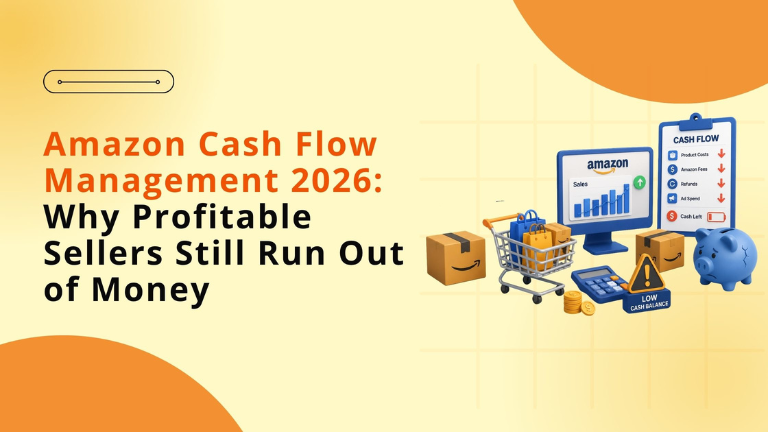
Amazon USPS Partnership 2026: What It Means for Seller Fulfillment and Growth

Fulfillment is one of the most critical — yet overlooked — aspects of running a successful Amazon business. While sellers focus on: Ads Listings Pricing Logistics silently drives performance. Amazon’s renewed partnership with USPS reinforces the importance of delivery stability in the ecommerce ecosystem. What is the Amazon USPS Partnership? Amazon has secured a new agreement with USPS to: Continue handling ~80% of delivery volume Process over 1 billion packages annually Maintain USPS as a primary last-mile partner Why This Partnership Matters 1. Stability in Delivery Network Consistent logistics = consistent performance. 2. Nationwide Coverage USPS enables: Rural and last-mile delivery. 3. Reduced Disruption Risk Fewer sudden changes in carrier mix. 4. Improved Customer Experience Reliable delivery builds:  Trust Reviews Repeat purchases Impact on Amazon Sellers 1. Better Buy Box Performance Delivery metrics influence Buy Box eligibility. 2. Improved Conversion Rates Faster delivery = higher purchase likelihood. 3. Stronger Inventory Planning More predictable delivery timelines. 4. Reduced Operational Stress Stable logistics simplifies scaling. How Sellers Should Adapt  1. Optimize Fulfillment Strategy Align FBA/FBM with delivery performance. 2. Monitor Delivery Metrics Track: Late shipments Customer feedback 3. Align Inventory with Demand Avoid delays due to stock issues. 4. Focus on Customer Experience Delivery is part of your brand. How Big Internet Ecommerce Helps We help sellers: Optimize Fulfillment Systems Improve Buy Box Stability Align Inventory & Delivery Enhance Customer Experience Scale Operations Efficiently This partnership signals one thing: Amazon is prioritizing delivery stability Sellers who align with this: Perform better Convert more Scale faster Want to build a stable and scalable Amazon operation? Schedule a strategy call with our team. Follow Big Internet Ecommerce (BIE) on Instagram & LinkedIn to stay updated with the latest trends in Amazon selling.
Amazon USPS Partnership 2026: What It Means for Seller Fulfillment and Growth Read More »

Amazon GWD Shenzhen inventory strategy

Amazon GWD Shenzhen 2026: How Sellers Can Reduce Costs and Improve Inventory Flow

Inventory management is one of the biggest challenges for Amazon sellers. Too much inventory? High storage costs Too little? Stockouts and lost sales Amazon’s new Global Warehousing & Distribution (GWD) hub in Shenzhen is designed to solve this. What is Amazon GWD Shenzhen? Amazon’s GWD program allows sellers to: Store inventory in China Move stock to US fulfillment centers on demand Integrate logistics through Amazon Global Logistics Key Benefits  1. Lower Storage Costs Up to 45% cheaper than US warehousing. 2. Faster Delivery to FBA Up to 7 days faster replenishment. 3. Centralized Inventory Store near manufacturing → reduce fragmentation 4. Integrated Logistics Flow Warehousing + shipping + customs handled together Why This Matters for Amazon Sellers 1. Improves Profit Margins Lower storage = higher net profit 2. Reduces Inventory Risk Avoid overstocking. 3. Improves Cash Flow Less capital locked in US inventory. 4. Enables Scalable Growth Better systems = better scaling How to Use This Strategically  1. Store Bulk Inventory in China Keep US inventory lean. 2. Replenish Based on Demand Use sales data to move stock. 3. Align Inventory with PPC Avoid running ads on low stock. 4. Forecast Properly Plan inventory cycles carefully. How Big Internet Ecommerce Helps We help sellers: Build Inventory Systems Optimize Cost Structure Improve Demand Forecasting Align Inventory with Sales Strategy Scale Efficiently Amazon GWD Shenzhen is not just a warehouse. It’s a strategic advantage Sellers who use it correctly will: Reduce costs Improve cash flow Scale faster Want to optimize your inventory and reduce costs? Schedule a strategy call with our team. Follow Big Internet Ecommerce (BIE) on Instagram & LinkedIn to stay updated with the latest trends in Amazon selling.

Amazon GWD Shenzhen 2026: How Sellers Can Reduce Costs and Improve Inventory Flow Read More »

TikTok Shop Amazon strategy

TikTok Shop vs Amazon: Why Smart Sellers Are Using Both to Scale in 2026

Ecommerce is undergoing one of its biggest shifts. For years, platforms like Amazon dominated because they captured demand through search. But now: TikTok is creating demand before search even happens This shift is redefining how brands grow. TikTok Shop’s Growth Explained $19B GMV (Q3 2025) $15B+ US sales Expansion in 17+ countries Projected 14.6% global share This is enterprise-level retail Why TikTok Shop is Different 1. It Manufactures Demand Unlike Amazon: TikTok creates desire instantly 2. Creator-Driven Sales Model Influencers act as: Distributed sales force 3. Algorithm = Distribution Engine Content goes viral → sales follow How TikTok Impacts Amazon Sales 1. Increases Branded Search Users search after discovery 2. Improves Conversion Rates Pre-sold customers convert faster. 3. Boosts Organic Ranking More traffic → more sales → better ranking Winning Strategy: TikTok + Amazon  Step 1: Create Content at Scale Short-form videos drive attention. Step 2: Use Creators Affiliate programs amplify reach. Step 3: Optimize Amazon Listing Traffic must convert. Step 4: Track Cross-Channel Performance Understand attribution. Step 5: Scale What Works Double down on winning creatives. How Big Internet Ecommerce Helps We build: TikTok + Amazon Growth Systems Creator Campaign Frameworks Conversion-Optimized Listings Scalable Content Strategies Cross-Channel Attribution TikTok is not replacing Amazon. It’s amplifying it The future is: Demand creation (TikTok) Demand capture (Amazon) Want to scale your Amazon brand using TikTok? Schedule a strategy call with our team. Follow Big Internet Ecommerce (BIE) on Instagram & LinkedIn to stay updated with the latest trends in Amazon selling.

TikTok Shop vs Amazon: Why Smart Sellers Are Using Both to Scale in 2026 Read More »

Scroll to Top