Big Internet Seller Services Inc provides e-commerce Services

Get your first Product Photoshoot for FREE! Learn More

Marketing

eBay Issue Resolution Center sellers

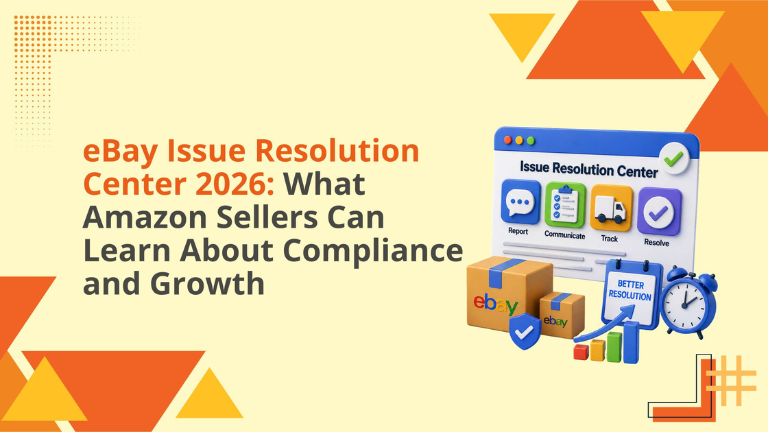
eBay Issue Resolution Center 2026: What Amazon Sellers Can Learn About Compliance and Growth

Marketplace operations are evolving fast. Platforms like Amazon and eBay are moving toward: Centralized systems Automated compliance Structured workflows eBay’s launch of the Issue Resolution Center is a major step in this direction. What is eBay Issue Resolution Center? The Issue Resolution Center is: A centralized compliance dashboard A prioritized issue tracking system A guided resolution workflow It consolidates: Listing defects Account violations Appeals Category alerts Why This Matters  1. Compliance Impacts Visibility Unresolved issues reduce: Search visibility Impressions 2. Centralization Improves Efficiency One system → faster resolution 3. Reduced Operational Complexity No need to track multiple dashboards. 4. Better Decision-Making Prioritized issues = better focus What Amazon Sellers Can Learn 1. Treat Compliance as Revenue Driver Not just a backend task. 2. Build Daily Monitoring Systems Consistency beats reaction. 3. Track Issue Severity Focus on high-impact issues first. 4. Align Teams Properly Assign clear ownership. How Big Internet Ecommerce Helps We help sellers: Build Compliance Systems Protect Listing Visibility Improve Operational Efficiency Align Multi-Channel Strategy Scale with Structure The future of ecommerce is not: just marketing It’s: Systems Structure Execution Want to build a system-driven ecommerce operation? Schedule a strategy call with our team. Follow Big Internet Ecommerce (BIE) on Instagram & LinkedIn to stay updated with the latest trends in Amazon selling.


eBay Issue Resolution Center 2026: What Amazon Sellers Can Learn About Compliance and Growth Read More »

Amazon ad payment policy 2026

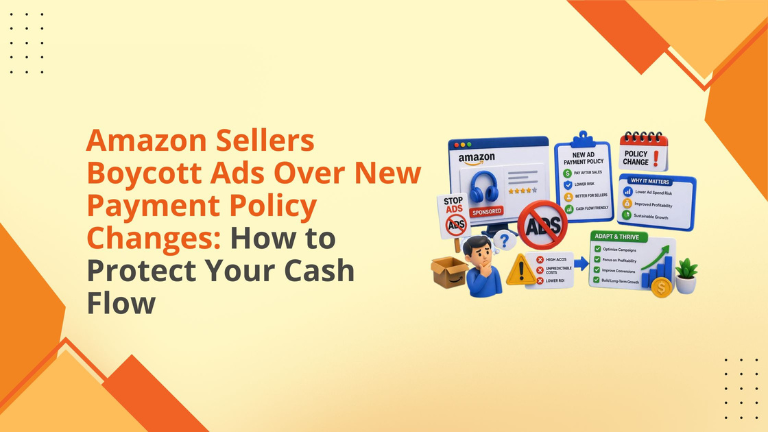
Amazon Sellers Boycott Ads Over New Payment Policy Changes: How to Protect Your Cash Flow

Amazon’s new ad payment policy has sent shockwaves through the seller community. For years, advertising has been essential to success on Amazon. But the new policy, which automatically deducts ad costs from retail proceeds, is shaking up how sellers manage cash flow, inventory, and ad spend. What’s Changed in Amazon’s Ad Payment Policy? Effective April 15, 2026, the policy change means: Ad spend will be deducted before payouts Credit cards will only be used as backup when proceeds are insufficient This shift tightens cash flow for sellers, forcing a rethink in how to structure ad spending. Why Does This Matter for Sellers? 1. Immediate Cash Flow Disruption Without upfront flexibility: Sellers lose the ability to time ads according to revenue cycles. 2. Increased Pressure on Margins 3.5% fuel surcharge Faster payout timelines 3. Impact on Operational Flexibility Fewer options to manage working capital, inventory, and ads simultaneously. 4. Reduced Control Over Advertising Budgets Manual spend adjustments are harder to execute efficiently. How to Adapt to Amazon’s New Ad Payment System 1. Rebuild Ad Spend Strategy We help sellers: Prioritize high-ROI campaigns Maintain flexibility through better budgeting 2. Cash Flow Management We advise on how to: Balance cash flow with ad costs Plan for seasonal shifts 3. Inventory + Advertising Sync Optimize: Replenishment schedules Campaign budgets 4. Data-Driven Ad Adjustments We help sellers analyze: What campaigns need scaling What spend needs reducing How Big Internet Ecommerce Helps We specialize in: Cash flow optimization Ad spend prioritization Inventory syncing with ad budgets We’ll help you adjust and protect your margins. Amazon’s new ad payment system isn’t just a minor update. It’s forcing sellers to rethink their entire ad strategy. But the sellers who adapt quickly? They’ll still thrive. If you need to adjust your ad spend strategy and protect your business. Schedule a strategy call with our team. Follow Big Internet Ecommerce (BIE) on Instagram & LinkedIn to stay updated with the latest trends in Amazon selling.
Amazon Sellers Boycott Ads Over New Payment Policy Changes: How to Protect Your Cash Flow Read More »

Amazon FBA high-value products

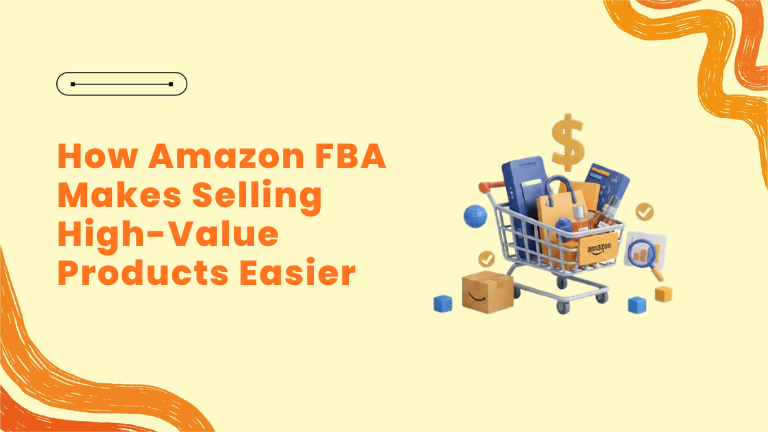
How Amazon FBA Makes Selling High-Value Products Easier

Selling higher-priced products on Amazon is not just a pricing decision. It is an operational decision. When a product is priced above $50, a single inbound discrepancy, preventable return, or damaged return can have an outsized impact on margin. That is why Amazon recently highlighted a set of FBA programs and capabilities specifically for products above that threshold. What FBA already solves At the base level, FBA lets sellers outsource order fulfillment to Amazon and offer Prime-eligible fast shipping. Amazon handles picking, packing, shipping, customer service, and returns, which is already a meaningful advantage for sellers who do not want to build that infrastructure themselves. 1) Better protection for missing inbound inventory For qualifying products over $50, Amazon says its enhanced inbound service proactively monitors inbound issues and automatically creates investigation claims on behalf of the seller. For premium products, that matters because a reimbursement delay on one unit can represent far more lost capital than it would on a lower-priced item. 2) More tools to prevent returns before they happen Amazon Product Support is one of the more important features for sellers with complex, fragile, or part-based products. According to Amazon, brands can connect customers directly to their own support teams through call or chat, allow customers to request replacement parts during the return window, and offer partial refunds of up to 50% instead of requiring a full return. Those options are especially useful when the issue is fixable and the product does not actually need to come back. 3) Stronger return-value recovery Some returns are unavoidable. The question then becomes whether the seller can recover value instead of taking a total loss. Amazon’s FBA Grade & Resell program inspects eligible returned inventory and relists it using four used-condition tiers: Like New, Very Good, Good, and Acceptable. Amazon also says that for items priced above $50, certain return issues involving damage, missing parts, or materially different products can be escalated to a dedicated support team with a 48-hour review and processing window. 4) Lower-risk testing through FBA New Selection For sellers adding new premium SKUs, FBA New Selection can reduce early-stage fulfillment risk. Amazon says eligible new-to-FBA ASINs can receive a monthly average rebate of 10% on sales, along with waivers tied to storage, liquidations, removals, and eligible returns processing. Amazon’s broader New Selection explainer adds that the exact benefit structure depends on size, category, and eligibility, and that existing sellers need to enroll before the first new-to-FBA ASIN is received at the fulfillment center. Important eligibility note Amazon’s current New Selection explainer says the program is available in the US, UK, Germany, Spain, France, Italy, and Japan, and that enrollment in one store applies to other eligible stores. It also says sellers need a Professional selling plan, FBA enrollment, new-to-FBA parent ASINs, and for existing sellers, an Inventory Performance Index of 300 or higher unless no score has yet been assigned. Which sellers should prioritize these tools first? These programs are most worth reviewing if you sell: Products with multiple components or replacement-part potential, Items where a full return is much costlier than a partial refund, Premium products where inbound discrepancies are expensive, Or new high-value SKUs you want to test in FBA with tighter downside control. A practical 30-day rollout plan Start by pulling every ASIN above $50 and classifying them into four groups: high inbound-risk products, high return-risk products, products with replacement-part potential, and new SKUs that may qualify for New Selection. Then review Product Support eligibility, define when Grade & Resell makes sense versus removals, and verify New Selection rules before your first shipment is received. That approach turns FBA from a fulfillment cost center into a more deliberate protection layer for margin. Where Big Internet Ecommerce fits in At Big Internet Ecommerce, we help sellers look beyond “Should we use FBA?” and answer the more useful question: “Which FBA features should each SKU use based on margin exposure?”  That includes operational audits for inbound risk, return-prevention workflow mapping, post-return recovery planning, and structured rollout for eligible new-to-FBA products. Want us to map the right FBA setup for your products above $50 before margin gets lost on inbound issues and returns? Schedule a strategy call with our team. Follow Big Internet Ecommerce (BIE) on Instagram & LinkedIn to stay updated with the latest trends in Amazon selling.
How Amazon FBA Makes Selling High-Value Products Easier Read More »

TikTok Shop Amazon strategy

TikTok Shop vs Amazon: Why Smart Sellers Are Using Both to Scale in 2026

Ecommerce is undergoing one of its biggest shifts. For years, platforms like Amazon dominated because they captured demand through search. But now: TikTok is creating demand before search even happens This shift is redefining how brands grow. TikTok Shop’s Growth Explained $19B GMV (Q3 2025) $15B+ US sales Expansion in 17+ countries Projected 14.6% global share This is enterprise-level retail Why TikTok Shop is Different 1. It Manufactures Demand Unlike Amazon: TikTok creates desire instantly 2. Creator-Driven Sales Model Influencers act as: Distributed sales force 3. Algorithm = Distribution Engine Content goes viral → sales follow How TikTok Impacts Amazon Sales 1. Increases Branded Search Users search after discovery 2. Improves Conversion Rates Pre-sold customers convert faster. 3. Boosts Organic Ranking More traffic → more sales → better ranking Winning Strategy: TikTok + Amazon  Step 1: Create Content at Scale Short-form videos drive attention. Step 2: Use Creators Affiliate programs amplify reach. Step 3: Optimize Amazon Listing Traffic must convert. Step 4: Track Cross-Channel Performance Understand attribution. Step 5: Scale What Works Double down on winning creatives. How Big Internet Ecommerce Helps We build: TikTok + Amazon Growth Systems Creator Campaign Frameworks Conversion-Optimized Listings Scalable Content Strategies Cross-Channel Attribution TikTok is not replacing Amazon. It’s amplifying it The future is: Demand creation (TikTok) Demand capture (Amazon) Want to scale your Amazon brand using TikTok? Schedule a strategy call with our team. Follow Big Internet Ecommerce (BIE) on Instagram & LinkedIn to stay updated with the latest trends in Amazon selling.
TikTok Shop vs Amazon: Why Smart Sellers Are Using Both to Scale in 2026 Read More »

Content marketing for Amazon sellers

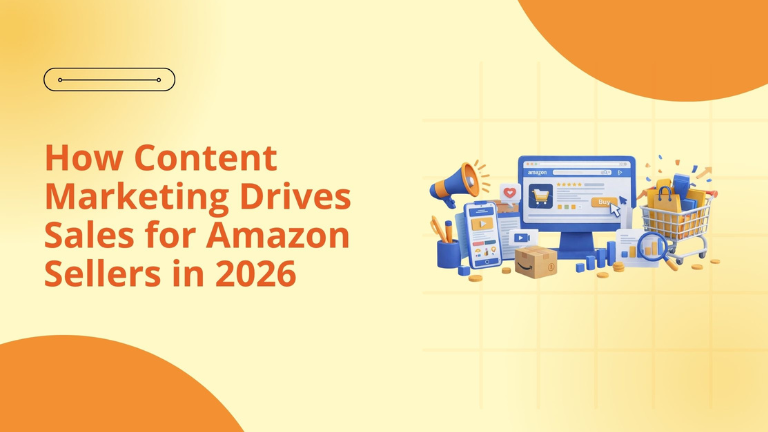
How Content Marketing Drives Sales for Amazon Sellers in 2026

Selling on Amazon in 2026 isn’t just about listing products and running ads. To truly succeed, you need a content marketing strategy that can attract, engage, and convert customers in the long term. Content marketing is one of the most effective ways to: Increase organic traffic Boost conversion rates Build customer loyalty We’ll explain why content marketing is so essential for Amazon sellers and how you can leverage it to grow your sales. What Is Content Marketing for Amazon Sellers? Content marketing involves creating valuable content that engages customers and answers their questions at each stage of their journey. This content includes: Product Videos How-to Guides Customer Testimonials Blog Posts Social Media Content The goal is to educate your customers, establish your brand as an authority, and drive organic traffic to your listings. Why Content Marketing Is Crucial for Amazon Sellers  1. Improve Visibility and SEO With Amazon’s algorithm heavily favoring relevant content, creating well-optimized content helps improve your visibility in search results and drives organic traffic to your listings. 2. Build Trust and Credibility Customers are more likely to purchase from brands they trust. Through educational content, you can build credibility and provide value to your customers, increasing their likelihood to buy. 3. Drive Conversions Content like product demos, reviews, and how-to guides not only educates customers but also nudges them to convert. When your content aligns with what your customers are searching for, they are more likely to trust your product. 4. Foster Customer Loyalty Content marketing helps you stay in touch with your customers and build a relationship. With regular, value-driven content like emails and social media updates, you can keep customers engaged, encouraging them to return for future purchases. How to Implement Content Marketing for Amazon 1. Create High-Quality, SEO-Optimized Content Focus on providing value to your customers. Create blog posts, product guides, and FAQs that answer common questions. Optimize for SEO by including high-converting keywords that your audience is searching for. 2. Utilize Video Content Video content, like product demos, unboxing videos, and how-to videos, can greatly enhance customer trust and conversion rates. Amazon shoppers are 1.81 times more likely to purchase a product that has video content. 3. Engage with Customers on Social Media Use social media platforms to share content, promote your products, and engage with your audience. By offering exclusive discounts, tips, and behind-the-scenes content, you build a loyal customer base. 4. Measure and Adjust Use analytics tools to measure the success of your content marketing efforts. Track metrics like click-through rates, conversion rates, and engagement to understand what content works and what needs to be adjusted. How Big Internet Ecommerce Can Help At Big Internet Ecommerce, we help Amazon sellers develop and implement content marketing strategies that work. From creating SEO-optimized content to producing engaging videos and managing social media campaigns, we ensure that every piece of content adds value and drives sales. Ready to take your Amazon sales to the next level with content marketing?  Schedule a call today and let’s build a strategy that works for your brand! Follow Big Internet Ecommerce (BIE) on Instagram & LinkedIn to stay updated with the latest trends in Amazon selling.
How Content Marketing Drives Sales for Amazon Sellers in 2026 Read More »

Scroll to Top