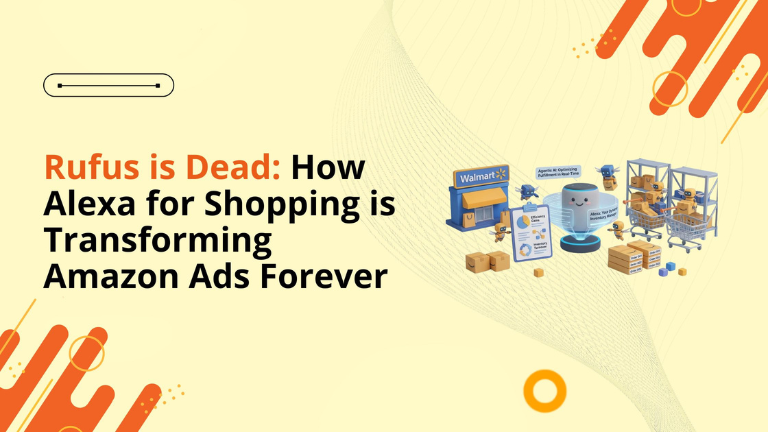
Rufus is Dead: How Alexa for Shopping is Transforming Amazon Ads Forever
Amazon has retired Rufus and introduced Alexa for Shopping, a fully agentic AI that doesn’t just answer questions—it automatically buys for your customers. This marks a dramatic shift in how Amazon sellers must approach advertising, visibility, and customer engagement. Gone are the days of relying solely on keywords and the search results grid. Success now depends on being the product the AI recommends and ensuring that your brand signals are optimized across reviews, catalog completeness, pricing, fulfillment, and trust. The End of Traditional Search-Based Ads Alexa for Shopping removes the classic product grid, meaning: Sponsored Product Ads lose traditional impressions. Conquest campaigns targeting new customers are less effective. Optimization must now focus on intent and trust, not just search term rankings. For sellers, this means a fundamental reset of Amazon advertising strategy. Visibility is now determined by AI-assessed signals, which can prioritize loyal customers, recurring purchases, and brands with consistent performance. Key Signals That Determine AI Recommendations Review Sentiment – Positive reviews now carry even more weight in being recommended. Catalog Completeness – Detailed product listings improve chances of AI recommendation. Pricing Consistency – Stable and fair pricing is rewarded. Fulfillment Reliability – Products delivered on time with accurate tracking maintain preference. Trust Infrastructure – Brands with established credibility will be prioritized. These signals emphasize operational excellence and long-term brand trust over traditional ad placement strategies. Implications for Sellers Incumbency Becomes Harder to Disrupt: Alexa for Shopping favors brands that customers have purchased before. New entrants face a higher barrier to recommendation. Repeat Purchase Categories Are Prioritized: Consumables, household staples, and subscription products benefit first from automated reordering. Advertising Strategy Needs a Complete Reset: Campaigns targeting discovery and conquest are less effective; optimization must focus on retention, repeat purchases, and intent alignment. Automated Reorders Change Buying Behavior: Customers may receive items automatically based on previous patterns, limiting competitor interventions. Intent-Driven Optimization is Key: Being visible to the AI depends on signals, not keywords—reviews, catalog completeness, fulfillment, and trust now dominate. How Sellers Can Adapt Boost Reviews and Social Proof: Encourage high-quality feedback and maintain positive sentiment. Ensure Catalog Completeness: Update images, descriptions, and A+ content. Maintain Pricing Consistency: Avoid frequent fluctuation to stay preferred by the AI. Focus on Repeat Purchase Products: Optimize inventory and fulfillment for high-turnover, recurring items. Work With Expert Agencies: Strategic guidance ensures your listings and operations align with agentic AI requirements. How Big Internet Ecommerce Can Help We help sellers stay ahead of Amazon’s AI evolution: Review optimization and content strategy for AI visibility Inventory management to support automated reorder workflows Operational guidance for fulfillment reliability Personalized strategy for repeat purchase categories PPC & listing alignment for intent-driven performance The retirement of Rufus and the introduction of Alexa for Shopping signals a new era of agentic AI-driven commerce. Sellers must pivot from keyword-driven campaigns to intent-driven optimization, ensuring that their brand is consistently recommended by the AI. Early adopters of these strategies will capture market share, increase repeat purchase revenue, and maintain long-term profitability. Adapt your Amazon strategy for agentic AI today and ensure your brand stays recommended. Schedule a strategy call with our team. Follow Big Internet Ecommerce (BIE) on Instagram & LinkedIn to stay updated with the latest trends in Amazon selling.
Rufus is Dead: How Alexa for Shopping is Transforming Amazon Ads Forever Read More »