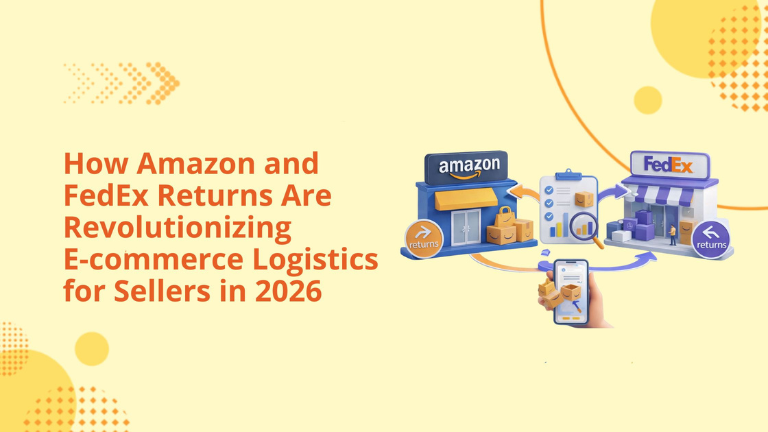
As the world of e-commerce continues to evolve, so does the logistics behind it. In 2026, Amazon and FedEx have come together to drastically improve the returns process, which has long been a pain point for both sellers and buyers. This powerful partnership allows Amazon sellers to manage returns more efficiently, leading to enhanced customer satisfaction, better inventory management, and ultimately more sales. We’ll explore the changes Amazon and FedEx have introduced, why they matter to Amazon sellers, and how you can optimize your operations to benefit from these innovations. What’s New with Amazon and FedEx Returns in 2026? Amazon and FedEx’s partnership is not just a collaboration—it’s a complete transformation in how returns are handled in e-commerce. Previously, customers had to deal with complicated return processes, including the hassle of packaging and labeling their returns. However, with the recent updates, returns are now: Label-free and Box-free: Customers can return products at over 1,500 FedEx Office locations without the need for boxes, tape, or labels. Convenient Drop-off Points: There are now 10,000+ drop-off points across the U.S., making it easier than ever for customers to return products without long waits or extra steps. QR Code-Based Returns: Instead of printing and sticking labels, customers simply use a QR code to initiate the return, which reduces friction and simplifies the process. This shift significantly improves the returns experience for customers, which can have a direct positive impact on your Amazon business. An easier, more seamless return process can lead to increased customer satisfaction, which in turn encourages repeat purchases and greater customer retention. Why Is This Important for Sellers? The impact of this change is profound for sellers. Here’s why Amazon and FedEx’s new returns system is a game-changer: Enhanced Customer Experience Over 90% of consumers say that an easy return process directly influences whether they will purchase from a seller again. With more than 1,500 FedEx Office locations now integrated into Amazon’s return network, customers are more likely to complete returns—boosting their overall satisfaction and trust in your brand. The smoother the return, the more likely your customers are to become loyal buyers. Increased Return Completion Rate The fact that 4 out of 5 customers are within 5 miles of a return drop-off point increases the likelihood that they will complete their returns. This makes the reverse logistics process far more predictable and manageable for sellers, as returns are processed quickly and efficiently, minimizing delays. Faster Inventory Restocking Returns often result in lost time and inventory confusion. But with this new system, returned items reach fulfillment centers more quickly, ensuring that your stock is accurately updated. Faster returns processing helps sellers restock their inventory without unnecessary delays, ensuring that out-of-stock issues are minimized. Operational Efficiency By removing the complexities of packaging and labeling, this system helps Amazon sellers focus more on growing their business rather than dealing with logistical issues. This leads to better inventory management, quicker processing times, and reduced operational costs associated with managing returns. Customer Retention and Loyalty The Amazon and FedEx returns process can enhance customer loyalty. When customers feel that returning products is straightforward, they are more likely to continue shopping with you. The reduction in returns-related friction increases the likelihood of repeat business—making returns a tool for customer retention rather than a cost center. How Can Sellers Benefit from the Amazon and FedEx Returns Partnership? As an Amazon seller, you might be wondering how to best capitalize on the new returns infrastructure. Here are several ways to optimize your operations with the new Amazon and FedEx returns system: Leverage the Return Process for Customer Retention By ensuring that your products are easy to return and that customers have convenient drop-off points nearby, you can improve their overall shopping experience. Create a hassle-free return policy that encourages customers to make purchases knowing they can easily return items if necessary. Optimize Your Listings with Clear Return Policies Transparency is key in e-commerce. Make sure your return policies are clearly stated in your product listings. Highlight the ease of returning products, and mention the new label-free and box-free return options. This can help build trust and confidence in your brand, which is critical in a highly competitive marketplace like Amazon. Integrate Returns into Your Inventory Management System Now that returns are processed more efficiently, use the data from your Amazon FBA dashboard to track returned products. Amazon’s FBA Returns Report allows you to monitor the status of your returns and update inventory levels accordingly. Ensure you have a system in place to manage these returns quickly and efficiently. Boost Customer Reviews with Easy Returns A seamless return experience can positively influence your product reviews. Customers who find returns easy and hassle-free are more likely to leave positive feedback. Ensure that your return process is as smooth as possible, and use this as a tool for improving your customer reviews, which will help increase your product’s visibility and sales. Stay Ahead of the Curve with FBA and FedEx Programs The integration of FedEx into Amazon’s return network provides sellers with more options for fulfillment. Use programs like Amazon Global Logistics, Partner Carrier Program (PCP), and FBA’s Multichannel Fulfillment to expand your reach and manage returns across various channels efficiently. The Future of Returns: How to Adapt and Stay Competitive The new Amazon and FedEx returns infrastructure is a step toward creating a more efficient, customer-friendly returns process. For sellers, this presents a significant opportunity to enhance customer satisfaction, improve inventory management, and increase sales. With the logistics industry becoming more competitive, it’s clear that streamlined returns processes are no longer just an operational necessity—they are a key part of your customer acquisition and retention strategy. As the role of returns continues to grow in e-commerce, sellers who adapt to these new standards will have a distinct advantage. By optimizing your Amazon store with an efficient returns process, you can improve customer loyalty and conversion rates while minimizing operational headaches. Ready to optimize your return process and scale your