Big Internet Seller Services Inc provides e-commerce Services

Get your first Product Photoshoot for FREE! Learn More

Amazon Marketing

Amazon Ads payment changes 2026

Amazon Ads Payment Changes 2026: Why Credit Cards No Longer Work and What Sellers Must Do Now

Amazon has quietly introduced one of the most impactful changes to its advertising ecosystem in years — and most sellers haven’t fully understood the consequences yet. Starting April 15, 2026, Amazon Ads will no longer rely on credit cards as the primary payment method. Instead, ad spend will be automatically deducted from seller payouts. At first glance, this may seem like a simple operational update. In reality, it fundamentally changes: Cash flow management Scaling strategies Profitability models What’s changing, why it matters, and how you should adapt immediately. What Exactly Changed? Amazon Ads will now: Deduct ad spend directly from seller revenue Remove credit card billing cycles Use credit cards only as backup Automate all payments No manual payments required No billing cycle advantage No reward-based benefits This aligns ad spend directly with sales performance — but at a cost to sellers The Hidden Impact: Cash Flow Collapse  Previously, sellers benefited from: Amazon payout delay (~30 days) Credit card billing cycle (~30 days) Total: ~60 days of working capital Now? That buffer is completely gone Why This Matters This impacts: Inventory reinvestment cycles Ad scaling decisions Supplier payments Business liquidity Even profitable sellers may struggle if cash flow isn’t managed tightly. The Real Cost: Lost Rewards & Profit Leakage Let’s quantify it: Monthly Ad Spend Annual Cashback Lost (2%) $10,000 $2,400 $50,000 $12,000 $100,000 $24,000 This is pure margin erosion. Why Amazon Made This Move Amazon Ads generated billions in revenue. By removing credit card payments: They eliminate 1.5–2.5% interchange fees They get paid immediately They improve internal margins This is a business optimization for Amazon — not for sellers How Sellers Should Adapt  1. Shift to Profit-Based PPC Stop scaling based on spend — start scaling based on: TACOS Contribution margin Net profitability 2. Tighten Keyword & Campaign Structure Eliminate: Wasted spend Irrelevant traffic Low CVR keywords 3. Forecast Cash Flow Weekly Track: Ad spend vs revenue Payout timing Inventory needs 4. Reduce Dependency on Broad Campaigns Focus on: High intent keywords Branded defense Product targeting 5. Optimize CTR & CVR Better creatives = lower CPC pressure Better listings = higher conversion This is where most sellers win or lose. How Big Internet Ecommerce Helps At Big Internet Ecommerce, we: Rebuild PPC systems for profitability Align ads with cash flow cycles Improve CTR → CVR → ranking loop Reduce wasted spend drastically We don’t just manage ads. We build scalable systems. This isn’t just a payment update. It’s a fundamental shift in how Amazon businesses operate. Sellers who adapt will: Scale profitably Control cash flow Dominate rankings Sellers who don’t… will feel it in margins very quickly. Want help restructuring your Amazon Ads strategy before this impacts your business? Schedule a strategy call with our team. Follow Big Internet Ecommerce (BIE) on Instagram & LinkedIn to stay updated with the latest trends in Amazon selling.

Amazon Ads Payment Changes 2026: Why Credit Cards No Longer Work and What Sellers Must Do Now Read More »

Amazon FedEx Returns 2026

How Amazon and FedEx Returns Are Revolutionizing E-commerce Logistics for Sellers in 2026

As the world of e-commerce continues to evolve, so does the logistics behind it. In 2026, Amazon and FedEx have come together to drastically improve the returns process, which has long been a pain point for both sellers and buyers. This powerful partnership allows Amazon sellers to manage returns more efficiently, leading to enhanced customer satisfaction, better inventory management, and ultimately more sales. We’ll explore the changes Amazon and FedEx have introduced, why they matter to Amazon sellers, and how you can optimize your operations to benefit from these innovations. What’s New with Amazon and FedEx Returns in 2026? Amazon and FedEx’s partnership is not just a collaboration—it’s a complete transformation in how returns are handled in e-commerce. Previously, customers had to deal with complicated return processes, including the hassle of packaging and labeling their returns. However, with the recent updates, returns are now: Label-free and Box-free: Customers can return products at over 1,500 FedEx Office locations without the need for boxes, tape, or labels. Convenient Drop-off Points: There are now 10,000+ drop-off points across the U.S., making it easier than ever for customers to return products without long waits or extra steps. QR Code-Based Returns: Instead of printing and sticking labels, customers simply use a QR code to initiate the return, which reduces friction and simplifies the process. This shift significantly improves the returns experience for customers, which can have a direct positive impact on your Amazon business. An easier, more seamless return process can lead to increased customer satisfaction, which in turn encourages repeat purchases and greater customer retention. Why Is This Important for Sellers? The impact of this change is profound for sellers. Here’s why Amazon and FedEx’s new returns system is a game-changer: Enhanced Customer Experience Over 90% of consumers say that an easy return process directly influences whether they will purchase from a seller again. With more than 1,500 FedEx Office locations now integrated into Amazon’s return network, customers are more likely to complete returns—boosting their overall satisfaction and trust in your brand. The smoother the return, the more likely your customers are to become loyal buyers. Increased Return Completion Rate The fact that 4 out of 5 customers are within 5 miles of a return drop-off point increases the likelihood that they will complete their returns. This makes the reverse logistics process far more predictable and manageable for sellers, as returns are processed quickly and efficiently, minimizing delays. Faster Inventory Restocking Returns often result in lost time and inventory confusion. But with this new system, returned items reach fulfillment centers more quickly, ensuring that your stock is accurately updated. Faster returns processing helps sellers restock their inventory without unnecessary delays, ensuring that out-of-stock issues are minimized. Operational Efficiency By removing the complexities of packaging and labeling, this system helps Amazon sellers focus more on growing their business rather than dealing with logistical issues. This leads to better inventory management, quicker processing times, and reduced operational costs associated with managing returns. Customer Retention and Loyalty The Amazon and FedEx returns process can enhance customer loyalty. When customers feel that returning products is straightforward, they are more likely to continue shopping with you. The reduction in returns-related friction increases the likelihood of repeat business—making returns a tool for customer retention rather than a cost center. How Can Sellers Benefit from the Amazon and FedEx Returns Partnership? As an Amazon seller, you might be wondering how to best capitalize on the new returns infrastructure. Here are several ways to optimize your operations with the new Amazon and FedEx returns system: Leverage the Return Process for Customer Retention By ensuring that your products are easy to return and that customers have convenient drop-off points nearby, you can improve their overall shopping experience. Create a hassle-free return policy that encourages customers to make purchases knowing they can easily return items if necessary. Optimize Your Listings with Clear Return Policies Transparency is key in e-commerce. Make sure your return policies are clearly stated in your product listings. Highlight the ease of returning products, and mention the new label-free and box-free return options. This can help build trust and confidence in your brand, which is critical in a highly competitive marketplace like Amazon. Integrate Returns into Your Inventory Management System Now that returns are processed more efficiently, use the data from your Amazon FBA dashboard to track returned products. Amazon’s FBA Returns Report allows you to monitor the status of your returns and update inventory levels accordingly. Ensure you have a system in place to manage these returns quickly and efficiently. Boost Customer Reviews with Easy Returns A seamless return experience can positively influence your product reviews. Customers who find returns easy and hassle-free are more likely to leave positive feedback. Ensure that your return process is as smooth as possible, and use this as a tool for improving your customer reviews, which will help increase your product’s visibility and sales. Stay Ahead of the Curve with FBA and FedEx Programs The integration of FedEx into Amazon’s return network provides sellers with more options for fulfillment. Use programs like Amazon Global Logistics, Partner Carrier Program (PCP), and FBA’s Multichannel Fulfillment to expand your reach and manage returns across various channels efficiently. The Future of Returns: How to Adapt and Stay Competitive The new Amazon and FedEx returns infrastructure is a step toward creating a more efficient, customer-friendly returns process. For sellers, this presents a significant opportunity to enhance customer satisfaction, improve inventory management, and increase sales. With the logistics industry becoming more competitive, it’s clear that streamlined returns processes are no longer just an operational necessity—they are a key part of your customer acquisition and retention strategy. As the role of returns continues to grow in e-commerce, sellers who adapt to these new standards will have a distinct advantage. By optimizing your Amazon store with an efficient returns process, you can improve customer loyalty and conversion rates while minimizing operational headaches. Ready to optimize your return process and scale your


How Amazon and FedEx Returns Are Revolutionizing E-commerce Logistics for Sellers in 2026 Read More »

Amazon FBA Guide 2026

The Ultimate Amazon FBA Beginner’s Guide for 2026: How to Scale Your Business Quickly

Selling on Amazon in 2026 offers unparalleled opportunities, and one of the most powerful tools for success is Fulfillment by Amazon (FBA). FBA simplifies the selling process by outsourcing storage, shipping, and customer service to Amazon, allowing you to focus on growing your business. Here’s how you can get started and succeed with FBA. What is Amazon FBA? Fulfillment by Amazon (FBA) is a service where Amazon handles storage, packing, and shipping for you. As a seller, you send your products to Amazon’s fulfillment centers, and when a customer orders, Amazon takes care of the rest, including returns and customer service. The result is a seamless experience for both sellers and customers. Why Should You Choose FBA? For new Amazon sellers, FBA offers several advantages: Prime Eligibility: Your products become available for Amazon Prime, giving them more visibility and faster shipping. Global Reach: Sell to customers worldwide without worrying about logistics. Customer Service & Returns: Amazon handles customer inquiries and returns, so you can focus on growing your brand. Scale Quickly: With FBA, you can scale your business more easily because you don’t need to handle fulfillment yourself. Costs Involved with FBA While FBA offers many benefits, it also comes with costs. The primary costs are storage fees (based on how much space your products take up in Amazon’s fulfillment centers) and fulfillment fees (based on the size and weight of your products). Additionally, there may be other costs like return processing fees, and fees for handling aged inventory. Despite the costs, FBA is worth the investment because it saves you time, offers faster shipping, and gives you access to Amazon’s Prime customer base. How to Get Started with FBA To get started with FBA, you need to: Create an Amazon Seller Account: Sign up for a Professional Selling Plan to access FBA features. List Your Products: Add your products to the Amazon catalog and choose the FBA option during listing. Ship Your Products to Amazon: Follow Amazon’s guidelines to pack and send your inventory to their fulfillment centers. Track Your Inventory: Use Amazon’s FBA dashboard to monitor your inventory levels, track shipments, and optimize performance. How Big Internet Ecommerce Can Help At Big Internet Ecommerce (BIE), we help sellers like you make the most of FBA. From listing optimization to Amazon Ads management, we ensure your products are visible, your operations are efficient, and your business scales faster. Ready to take your Amazon business to the next level with FBA?  Schedule a call with us today to discuss your strategy and growth plan. Follow Big Internet Ecommerce (BIE) on Instagram & LinkedIn to stay updated with the latest trends in Amazon selling.

The Ultimate Amazon FBA Beginner’s Guide for 2026: How to Scale Your Business Quickly Read More »

Amazon Selling Guide 2026

The Ultimate Guide to Starting Your Amazon Business in 2026: Essential Tips for New Sellers

Selling on Amazon continues to be one of the most profitable ventures for entrepreneurs, especially in 2026. The platform has evolved, offering new tools, a broader global customer base, and even greater support for sellers. But how do you stand out in this massive marketplace? This guide will provide you with everything you need to succeed as a new seller on Amazon. Step 1: Choosing Your Amazon Selling Plan Before you begin selling, you must choose between two primary selling plans: the Individual Plan and the Professional Plan. The Individual Plan is best suited for those selling fewer than 40 items a month, while the Professional Plan is ideal for those who expect to sell more than 40 items each month. The Professional Plan also gives you access to advanced tools, including advertising features, which are crucial for scaling your business. Step 2: Listing Your Products Once your account is set up, it’s time to list your products. You have two options: match your product to an existing listing or create a new one. If you’re selling branded products, ensure your listings are unique and optimize them with relevant keywords. Use high-quality images and detailed product descriptions to ensure your customers understand exactly what you are selling. Step 3: Competitive Pricing and Promotion Strategies Setting a competitive price is key to getting noticed on Amazon. Amazon uses a pricing algorithm that factors in the lowest external price and the price within the platform to determine visibility. Consider using Amazon’s Automate Pricing tool to ensure your prices stay competitive. You can also run promotions, such as discounts or coupon offers, to attract more customers. Step 4: Marketing Your Products on Amazon Once your listings are live, marketing is crucial. Sponsored Products ads are an excellent way to drive traffic to your listings. Use relevant keywords and target your ads effectively. Additionally, take advantage of Amazon’s A+ Content and Brand Stores to enhance your product presentation and increase customer engagement. Step 5: Fulfillment by Amazon (FBA) vs. Fulfilled by Merchant (FBM) When it comes to fulfilling orders, you have two main options: Fulfillment by Amazon (FBA) and Fulfilled by Merchant (FBM). FBA allows Amazon to handle storage, shipping, customer service, and returns, and your products will be eligible for Amazon Prime, which increases sales. FBM means you handle fulfillment yourself, which gives you more control but also more responsibility. Step 6: Monitoring Your Performance and Scaling Once you’re up and running, it’s essential to monitor your account health and product performance. Amazon provides a dashboard that shows key metrics such as your Order Defect Rate and Late Shipment Rate. Use these insights to refine your operations. Additionally, look into advanced tools like Global Selling and Amazon Business to expand your reach internationally and to businesses. Ready to kickstart your Amazon journey?  Let’s optimize your listings and marketing strategies for maximum growth. Schedule a call with us today to learn how we can help you scale. Follow Big Internet Ecommerce (BIE) on Instagram & LinkedIn to stay updated with the latest trends in Amazon selling.

The Ultimate Guide to Starting Your Amazon Business in 2026: Essential Tips for New Sellers Read More »

Meta affiliate program for Amazon

Meta Affiliate Program for Amazon Sellers: How Creator Traffic Is Changing Amazon Growth Strategy

Amazon sellers have traditionally relied on two primary growth levers: PPC advertising and organic ranking. But the landscape is changing. With the launch of Meta’s affiliate program, creators on Facebook and Instagram can now directly promote Amazon products and earn commissions, creating a new and powerful external traffic channel. This is not just another marketing tool. It is a shift toward performance-driven, creator-led commerce, where traffic, trust, and conversion come together in a way that traditional advertising cannot match. For Amazon sellers, this presents a major opportunity — but only if approached strategically. What is Meta’s Affiliate Program? Meta’s affiliate program enables: Creators to promote products Direct linking to Amazon and other marketplaces Commission-based earnings This creates a new ecosystem where: Creators become distribution channels Content becomes conversion drivers Why This Is a Big Deal for Amazon Sellers 1. External Traffic Boosts Ranking Amazon’s algorithm rewards: Traffic Conversion External traffic signals: High demand Which improves: Keyword ranking Organic visibility 2. Higher Trust = Higher Conversion Customers trust: Creator recommendations Authentic content More than: Paid ads This leads to: Higher conversion rates 3. Performance-Based Marketing Unlike PPC: You don’t pay upfront You pay on results This reduces risk and improves ROI. 4. Content Becomes Scalable Instead of: → Running ads continuously You create: Content assets that keep converting How to Use Meta Affiliate Strategy for Amazon Step 1: Identify the Right Creators Focus on: Niche relevance Audience engagement Content style Step 2: Optimize Your Listing Before sending traffic: Improve CTR Improve CVR Build trust instantly Step 3: Align Content with Conversion Creators should: Highlight benefits Show use cases Build emotional connection Step 4: Track and Scale Identify: High-performing creators Winning content Then: Scale what works How Big Internet Ecommerce Can Help At Big Internet Ecommerce, we help sellers turn this into a real growth engine: Creator Funnel Setup We build: End-to-end affiliate systems Listing Optimization We ensure: Traffic converts Traffic + PPC Integration We combine: External traffic + internal ranking Scaling Strategy We help you: Turn creators into a growth channel Meta’s affiliate program is not just another feature. It is the beginning of: Creator-led commerce External traffic dominance For Amazon sellers, this means: More traffic Better conversion Faster scaling But only for those who act early. If you want to build a creator-driven growth system for your Amazon brand. Schedule a call today. Follow Big Internet Ecommerce (BIE) on Instagram & LinkedIn to stay updated with the latest trends in Amazon selling.

Meta Affiliate Program for Amazon Sellers: How Creator Traffic Is Changing Amazon Growth Strategy Read More »

Sell Wholesale on Amazon

How to Sell Wholesale on Amazon: A Comprehensive Guide for Sellers in 2026

Amazon’s marketplace is no longer just about consumer sales — selling wholesale on Amazon has become a golden opportunity for sellers looking to grow their business. With 8 million global business customers, this shift opens new doors for sellers who want to sell in larger quantities and capitalize on bulk buying. We’ll walk you through how to sell wholesale on Amazon, including: Setting up your Amazon Business account Listing your products for B2B sales Creating the right pricing strategy Selecting the best fulfillment option By the end of this guide, you’ll understand why wholesale selling is the future of Amazon, and how you can position your brand for success in the B2B space. Step 1: Set Up Your Amazon Business Account To sell wholesale on Amazon, you’ll need to set up a Professional selling account. This account allows you to access Amazon Business, Amazon’s platform for business customers. It costs $39.99/month, and once you’re set up, you’ll be able to: Access B2B buyers worldwide Create bulk pricing strategies Use Amazon’s Automated Pricing tool You’ll also need to provide supplier invoices from the last 180 days to verify product eligibility for wholesale selling. Be prepared with at least 10 units purchased from the supplier. Step 2: List Your Wholesale Products Listing products for wholesale is slightly different from traditional Amazon listings. Here’s what you need to do: Create listings in Seller Central using the Add Products tool or bulk upload feature. Ensure that your supplier invoices are ready for approval if necessary. Step 3: Price Your Products for B2B Business buyers are looking for bulk pricing, so you’ll need to set up quantity discounts on your listings. Offering bulk pricing will attract high-volume buyers. Additionally, using Automate Pricing will ensure your prices stay competitive without needing constant manual updates. Step 4: Choose Your Fulfillment Method When selling wholesale, you need to consider which fulfillment method is best for you. Here are your options: FBA: Amazon handles everything — picking, packing, shipping, and customer service. This is the easiest method for most sellers. AWD (Amazon Warehousing and Distribution): Ideal for sellers with larger quantities who want to reduce costs. FBM: If you want to handle your own storage and shipping, this is your best bet. Step 5: Monitor and Optimize Your Listings As a B2B seller, it’s important to keep track of how your listings are performing. Utilize Amazon’s B2B Dashboard to monitor product performance, optimize pricing, and make adjustments to stay competitive. How Big Internet Ecommerce Can Help At Big Internet Ecommerce, we specialize in helping Amazon sellers like you succeed in the wholesale market. Here’s how we can assist: Account Setup and Optimization B2B Listing Creation and Bulk Upload Assistance Price Optimization and Strategy Guidance Fulfillment Strategy Consultation (FBA, AWD, FBM) If you’re ready to unlock your wholesale potential on Amazon, let’s work together to make it happen! Ready to take your Amazon business to the next level by selling wholesale? Schedule a call today. Follow Big Internet Ecommerce (BIE) on Instagram & LinkedIn to stay updated with the latest trends in Amazon selling.

How to Sell Wholesale on Amazon: A Comprehensive Guide for Sellers in 2026 Read More »

Amazon fast shipping strategy

Amazon 1 Hour Delivery Rollout: How Faster Shipping Is Changing Rankings, Conversions, and Seller Strategy

Amazon has always been obsessed with speed. From two-day Prime shipping to same-day delivery, the platform has continuously pushed the boundaries of fulfillment efficiency. Now, with the rollout of 1-hour and 3-hour delivery across hundreds of U.S. cities, Amazon is taking another major step toward instant commerce. But this isn’t just a logistics upgrade. It’s a fundamental shift in how products are discovered, ranked, and purchased on Amazon. For sellers, this means one thing: Fulfillment is no longer backend operations — it is now a front-end growth driver. We’ll break down: What Amazon’s ultra-fast delivery rollout means How it impacts rankings and conversions And how sellers can adapt to stay competitive What is Amazon 1 Hour Delivery? Amazon’s new delivery expansion includes: 1-hour delivery in hundreds of cities 3-hour delivery in over 2,000 locations Access to 90,000+ products Customers can: See delivery badges Filter by speed Choose faster delivery options This makes delivery speed part of the buying journey itself. Why Speed is Now a Competitive Advantage 1. Speed Influences Visibility Amazon increasingly prioritizes: Customer experience Fast fulfillment Which means: Faster-delivery listings may gain better placement 2. Speed Drives Conversion Studies show: 87% of shoppers prioritize fast delivery Which means: Faster delivery = higher conversion rates Even when: → Price is slightly higher 3. Filters Change Discovery Behavior Customers now filter by: Delivery speed Which creates: A new layer of competition If you’re not eligible: → You’re excluded from search results How This Impacts Amazon Sellers 1. FBA Becomes Even More Important To compete: Sellers must leverage Amazon’s fulfillment network 2. Inventory Placement Matters Products closer to customers: → Deliver faster → Rank better 3. Listing Optimization Still Matters Speed alone doesn’t win. You still need: High CTR Strong conversion 4. PPC Strategy Must Adapt Campaigns should: Target high-intent buyers Focus on fast-moving SKUs Strategic Framework for Sellers Step 1: Audit Your Fulfillment Setup Are you using FBA effectively? Is your inventory well distributed? Step 2: Identify High-Opportunity SKUs Focus on: Fast-moving products High-demand categories Step 3: Optimize Conversion Improve: Hero images A+ content Product messaging Step 4: Align PPC Strategy Push top-performing SKUs Focus on conversion keywords How Big Internet Ecommerce Can Help At Big Internet Ecommerce, we help sellers adapt to these shifts with: Fulfillment Optimization Aligning logistics with growth Conversion Strategy Improving CTR and CVR PPC Scaling Maximizing visibility and profitability Inventory Planning Positioning products for faster delivery Amazon is moving toward instant commerce. And with that shift: Speed is becoming a core ranking and conversion factor. The sellers who adapt: Will gain visibility Will increase conversions Will dominate faster-moving categories The ones who don’t: → Will fall behind If you want to align your strategy with Amazon’s next phase: Schedule a call with us today. Follow Big Internet Ecommerce (BIE) on Instagram & LinkedIn to stay updated with the latest trends in Amazon selling.

Amazon 1 Hour Delivery Rollout: How Faster Shipping Is Changing Rankings, Conversions, and Seller Strategy Read More »

How to sell on Amazon FBA

How to Sell on Amazon FBA in 3 Minutes (Step-by-Step Guide for New Sellers in 2026)

Starting an Amazon FBA business has never been easier. With Amazon simplifying onboarding, new sellers can now technically launch their first product in just minutes. The platform provides step-by-step workflows, automated logistics, and built-in tools that eliminate many traditional barriers to entry. But while the process is simple, success is not. Thousands of new sellers launch every month — yet only a small percentage build profitable, scalable businesses. The difference lies not in how fast you start, but in how strategically you execute after launch. In this guide, we’ll walk you through: The exact steps to start selling on Amazon FBA What Amazon doesn’t tell beginners And how to build a business that actually scales Step-by-Step: How to Sell on Amazon FBA Step 1: Create Your Amazon Seller Account Start at: https://sell.amazon.com Choose between: Individual plan Professional plan ($39.99/month) The Professional plan gives access to: Advanced tools Advertising features Brand-building programs Step 2: Create Your First Product Listing Inside Seller Central: Go to Add Product Choose your category Add product details Select: Amazon will ship and provide customer service This enables FBA. Step 3: Prepare Your Product Before shipping, ensure: Correct product dimensions Barcode (FNSKU or manufacturer barcode) Proper packaging Requirements may include: Poly bags Labels Safety compliance Step 4: Ship to Amazon Fulfillment Centers Use: Send to Amazon workflow Shipping options: Small Parcel Delivery (SPD) Less Than Truckload (LTL) Full Truckload Once received: Amazon stores inventory Product becomes Prime eligible What Amazon Doesn’t Tell You 1. Product Selection is Everything The biggest failure point: Choosing the wrong product Successful sellers: Analyze demand Study competition Identify gaps 2. Ranking Drives Sales Amazon is a search engine. If you don’t rank: → You don’t sell You must: Target high-volume keywords Build ranking velocity 3. Conversion is Critical Traffic ≠ Sales Your listing must: Pass the 2-second test Communicate value instantly Build trust 4. PPC is Not Optional Amazon Ads drive: Visibility Ranking Data Without PPC: → Growth is extremely slow How Big Internet Ecommerce Can Help If you’re serious about building an Amazon business, you need more than just a listing. At Big Internet Ecommerce, we help sellers: 1. Find Winning Products Data-driven niche selection 2. Optimize Listings CTR-focused images + conversion content 3. Launch PPC Campaigns Fast ranking + controlled spend 4. Scale Profitably Improve TACOS, margins, and growth Advanced Tips for Scaling FBA Use Subscribe & Save for recurring revenue Optimize backend keywords A/B test hero images Monitor TACOS, not just ACOS Build external traffic Selling on Amazon FBA can start in minutes. But building a profitable business requires: Strategy Execution Continuous optimization The opportunity is massive — But only for sellers who approach it the right way. If you want to build a scalable Amazon business from day one: Schedule a call with our team. Follow Big Internet Ecommerce (BIE) on Instagram & LinkedIn to stay updated with the latest trends in Amazon selling.

How to Sell on Amazon FBA in 3 Minutes (Step-by-Step Guide for New Sellers in 2026) Read More »

Amazon Prime Day 2026

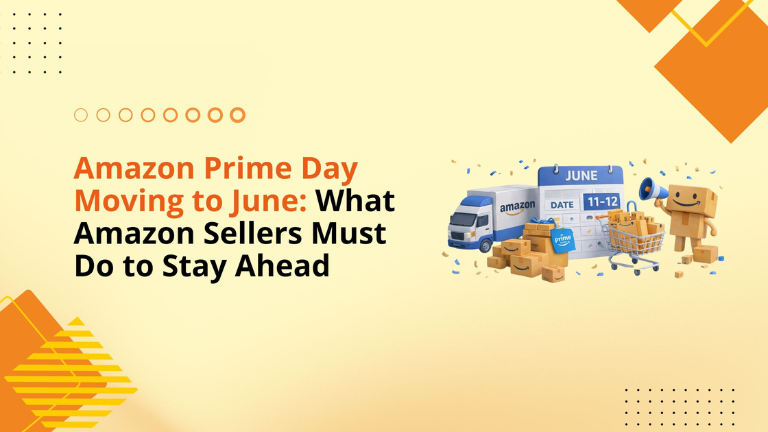
Amazon Prime Day Moving to June: What Amazon Sellers Must Do to Stay Ahead

Amazon Prime Day has always been one of the most critical events in the e-commerce calendar. For Amazon sellers, it’s not just a sale — it’s: A ranking accelerator A revenue spike driver A long-term brand visibility moment Now, reports suggest that Amazon Prime Day 2026 may shift from its traditional July timing to June. At first glance, this might seem like a minor scheduling update. In reality, it is a fundamental shift in seller strategy timelines. Because Prime Day success is not built during the event… It is built weeks before it. And with this change, that preparation window just got significantly shorter. What Changed in Amazon Prime Day 2026 Historically: Prime Day = Mid July Prep starts = Late May / June Now: Prime Day = Late June (expected) Prep must start = April / May Additionally: Event duration increased to multi-day (up to 4 days) Competition is higher than ever Ad costs spike faster Why This Shift Is a Big Deal for Amazon Sellers 1. Ranking Windows Are Now Earlier Amazon ranking works based on: Sales velocity Conversion rate Keyword relevance To win Prime Day: You must rank BEFORE the event With an earlier event: → Ranking must begin earlier 2. Inventory Planning Is Now High Risk FBA timelines include: Manufacturing Shipping Check-in Any delay means: Missing Prime Day Losing ranking Losing momentum 3. PPC Costs Will Spike Faster Prime Day leads to: Increased competition Higher bids Aggressive targeting If you start late: → You pay MORE for LESS visibility 4. Listing Optimization Becomes Non-Negotiable Traffic during Prime Day is: → Massive → Highly competitive If your listing doesn’t convert: → You waste the opportunity Prime Day Strategy Framework (Step-by-Step) Phase 1: Preparation (60–45 Days Before) Finalize inventory Optimize listings Start keyword research Phase 2: Ranking (45–15 Days Before) Launch PPC campaigns Push keyword indexing Improve CTR & CVR Phase 3: Scaling (15 Days Before) Increase bids Focus on converting keywords Optimize placements Phase 4: Prime Day Execution Aggressive ads Monitor ACOS Capture maximum sales How Big Internet Ecommerce Can Help At Big Internet Ecommerce, we specialize in Prime Day scaling strategies: 1. Ranking Strategy We build keyword ranking BEFORE the event. 2. Listing Optimization We optimize for: CTR Conversion Mobile experience 3. PPC Scaling We structure campaigns to: Reduce CPC Maximize visibility Improve ROAS 4. Inventory Planning We ensure: No stockouts Proper demand forecasting Amazon Prime Day moving to June is not just a calendar shift. It is a strategy shift. Sellers who: Prepare earlier Rank earlier Optimize earlier Will dominate. Those who don’t… Will miss the biggest revenue opportunity of the year. Want to build a winning Prime Day strategy before your competitors? Schedule a call now.  Follow Big Internet Ecommerce (BIE) on Instagram & LinkedIn to stay updated with the latest trends in Amazon selling.

Amazon Prime Day Moving to June: What Amazon Sellers Must Do to Stay Ahead Read More »

Scroll to Top