
Big Internet Seller Services Inc provides e-commerce Services

Get your first Product Photoshoot for FREE! Learn More

May 2026

Amazon Supply Chain Services

Amazon Supply Chain Services: Why Amazon Is Becoming a Full Logistics Provider in 2026

Amazon has officially moved beyond being only an ecommerce marketplace. Through Amazon Supply Chain Services (ASCS), Amazon is now opening its logistics infrastructure to businesses outside its marketplace ecosystem. This marks a major shift in the ecommerce landscape. Because Amazon is now positioning itself as a full logistics and supply chain provider. The implications for sellers are massive. What Is Amazon Supply Chain Services? Amazon Supply Chain Services (ASCS) allows external businesses to use: Freight transportation Warehousing Fulfillment Parcel delivery Using the same infrastructure Amazon built for its own operations. The system supports: Ccean freight Air freight Rail Trucking Warehousing Last-mile delivery All inside one ecosystem. Why This Matters for Sellers  1. Amazon Is Expanding Beyond Marketplace Economics Amazon’s growth strategy increasingly depends on: Logistics Infrastructure Enterprise services Not only marketplace revenue. 2. Multi-Channel Operations Become Easier Previously sellers needed: Multiple freight providers Separate warehouses Disconnected systems ASCS creates a more centralized logistics structure. 3. Inventory Visibility Improves Better logistics coordination means: Improved replenishment Reduced stockouts Cleaner inventory movement 4. Delivery Speed Becomes More Competitive Fast shipping increasingly drives: Conversion rates Customer trust Repeat purchases Amazon’s network provides sellers with stronger operational leverage. 5. Amazon Is Entering the Global Logistics Industry This places Amazon directly against: UPS FedEx Traditional 3PL providers This changes the competitive structure of ecommerce logistics entirely. How Sellers Should Adapt  1. Build Multi-Channel Logistics Systems Think beyond Amazon-only operations. 2. Optimize Inventory Positioning Inventory flow is becoming a strategic advantage. 3. Monitor True Logistics Costs Track: Freight Storage Fulfillment Delivery profitability 4. Improve Contribution Margin Visibility Not all revenue creates healthy cash flow. 5. Scale Operational Infrastructure Operational systems now matter as much as marketing systems. How Big Internet Ecommerce Helps We help sellers: Optimize supply chain visibility Improve fulfillment systems Build multi-channel inventory strategies Track operational profitability Scale beyond marketplace dependency Amazon Supply Chain Services signals a major shift in Amazon is becoming infrastructure for global commerce. The future of ecommerce growth will increasingly depend on: Logistics efficiency Inventory visibility Operational coordination The sellers who adapt early will gain massive operational advantages. Want to optimize your ecommerce operations and logistics systems? Schedule a strategy call with our team. Follow Big Internet Ecommerce (BIE) on Instagram & LinkedIn to stay updated with the latest trends in Amazon selling.

Amazon Supply Chain Services: Why Amazon Is Becoming a Full Logistics Provider in 2026 Read More »

Amazon cash flow management

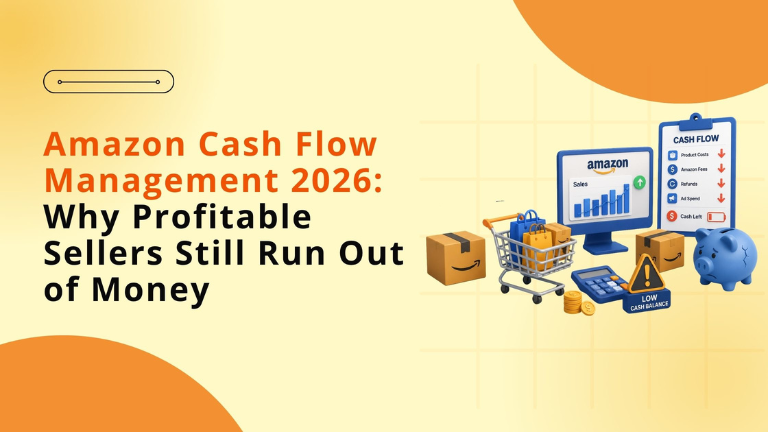
Amazon Cash Flow Management 2026: Why Profitable Sellers Still Run Out of Money

One of the biggest misconceptions in ecommerce is profitable businesses are financially healthy. For Amazon sellers, that’s often false. Many sellers generating: Six figures Seven figures Even eight figures …still experience severe cash flow pressure. Why? Because Amazon’s payment structure, reserves, inventory cycles, and advertising system create a delay between revenue earned and cash available. This gap is what breaks many otherwise successful Amazon businesses. The Amazon Cash Flow Paradox Amazon sellers often pay expenses long before receiving usable cash. Example: Supplier paid today Inventory ships weeks later Products arrive at FBA later Sales happen after that Amazon disburses cash even later Meanwhile: Ads are running Fees are deducted Reserves are held This creates what operators call the Amazon cash flow paradox. How Amazon Actually Pays Sellers  1. DD+7 Disbursement Cycle Amazon now operates on Delivery Date + 7 days. Meaning: Delivery must occur first Then settlement delay begins This significantly impacts FBM and slower-shipping sellers. 2. Reserve Holds Amazon may hold 3–12% of seller revenue in reserve. New sellers may experience even larger reserve percentages. 3. Bank Transfer Delays Even after Amazon releases funds banks may still require additional days. 4. Account-Level Holds Policy violations or claims may freeze disbursements unexpectedly. The 5 Biggest Cash Flow Leaks 1. Reserve Growth During High Sales More sales can temporarily reduce cash availability. 2. Returns Timing Refunds may impact later settlement cycles. 3. Storage Fee Spikes Aged inventory destroys working capital. 4. PPC Overspending TACoS may look healthy while liquidity collapses. 5. Inventory Cash Conversion Lag Inventory ties up cash for months. Why Cash Conversion Cycle Matters Amazon sellers should monitor CCC (Cash Conversion Cycle) Formula: CCC = DIO + DSO − DPO This measures, how long cash stays trapped before returning. How Sellers Should Adapt  1. Forecast Disbursements Weekly Not monthly. 2. Monitor Reserve Trends Reserve growth predicts liquidity pressure. 3. Reduce Inventory Age Older inventory destroys cash efficiency. 4. Track SKU Contribution Margins Some SKUs burn cash despite revenue. 5. Build Multi-Channel Visibility Amazon-only reporting creates blind spots. How Big Internet Ecommerce Helps We help sellers: Build cash flow visibility systems Forecast inventory properly Improve contribution margins Reduce trapped working capital Scale profitably across marketplaces Most Amazon sellers are not failing because they lack sales. They’re failing because they don’t understand cash movement. In 2026: Cash flow visibility Working capital management Inventory discipline …are becoming critical competitive advantages. Want to improve your Amazon cash flow systems and scale safely? Schedule a strategy call with our team. Follow Big Internet Ecommerce (BIE) on Instagram & LinkedIn to stay updated with the latest trends in Amazon selling.

Amazon Cash Flow Management 2026: Why Profitable Sellers Still Run Out of Money Read More »

Amazon Add to Auto Buy strategy

Amazon “Add to Auto Buy” Feature: Why Sellers Must Rethink Pricing and Conversion Strategy in 2026

Amazon continues to reshape ecommerce behavior through AI and automation. Its newest feature: “Add to Auto Buy”…allows shoppers to automate purchases based on target pricing conditions. At first, this sounds like a convenience feature. But for sellers? It changes the entire purchase flow. Because now: Pricing becomes a trigger AI influences timing Conversions become delayed and automated This introduces major changes to: Pricing strategy PPC attribution Inventory forecasting Buyer behavior What Is Amazon Add to Auto Buy? Amazon’s Auto Buy feature allows customers to: Set a target price Automate future purchases Authorize Amazon to complete orders automatically The system works through: Rufus Alexa+ Amazon app integrations Once the target price is reached Amazon automatically places the order. Why This Matters for Sellers  1. Pricing Now Controls Automated Conversion Historically, customers manually completed purchases. Now, pricing conditions trigger purchases automatically. This makes pricing strategy even more important. 2. Conversion Timing Changes Completely A customer may: Click today Purchase weeks later automatically This affects: Attribution windows Ad reporting PPC optimization 3. AI Is Becoming Part of Commerce Infrastructure Amazon is integrating: Rufus Auto Buy Alexa+ Into one commerce ecosystem. This means sellers are no longer optimizing only for human buyers. 4. Promotions Become More Complex Amazon confirmed that coupons and promotional discounts do not apply to Auto Buy purchases. This changes: Promotion planning Discount timing Perceived savings strategy 5. Inventory Planning Must Evolve Automated purchases introduce: Delayed demand Less visible purchase intent Different reorder patterns Forecasting systems now matter more than ever. How Sellers Should Adapt  1. Rethink Pricing Strategy Optimize for: Trigger-based purchasing Price elasticity Automated buying behavior 2. Extend Attribution Windows Track delayed conversions properly. 3. Improve Listing Quality AI systems rely heavily on: Structured data Clarity Content quality 4. Monitor Repeat Purchase Patterns Auto Buy may increase reorder consistency. 5. Focus on Profitability Not just conversion volume. How Big Internet Ecommerce Helps We help sellers: Optimize pricing for AI commerce Improve attribution tracking Build AI-readable listings Forecast inventory better Scale profitably in changing marketplaces Amazon’s Add to Auto Buy feature signals a larger shift in ecommerce is becoming increasingly automated. The future buyer journey may involve: AI assistants Price-triggered purchases Autonomous buying behavior The sellers who adapt first: Protect margins Improve visibility Scale faster Want to future-proof your Amazon pricing and conversion strategy? Schedule a strategy call with our team. Follow Big Internet Ecommerce (BIE) on Instagram & LinkedIn to stay updated with the latest trends in Amazon selling.

Amazon “Add to Auto Buy” Feature: Why Sellers Must Rethink Pricing and Conversion Strategy in 2026 Read More »

TikTok Shop strategy for Amazon sellers

TikTok Shop Hits $4.9B in Q1 2026: Why Amazon Sellers Must Take Multi-Channel Commerce Seriously

TikTok Shop has officially crossed into mainstream ecommerce territory. In Q1 2026: TikTok Shop generated $4.9 billion in US sales Consumer spending grew 46% YoY But the biggest shift wasn’t revenue. It was demographics. The fastest-growing buyer group is now shoppers aged 45+. This changes how Amazon sellers should think about TikTok Shop moving forward. Why This Matters for Amazon Sellers  1. TikTok Shop Is No Longer “Youth Commerce” The original assumption: TikTok = Gen Z impulse buying The new reality: Older shoppers Higher spending power Replenishable purchasing behavior This makes TikTok Shop highly relevant for: Beauty brands Supplements Household goods Wellness Home products 2. Discovery Commerce Is Replacing Search Commerce Amazon works through intent-based search. TikTok works through algorithmic discovery. Consumers now discover products through: Creators Videos Recommendations Before ever searching for them. 3. Multi-Channel Commerce Is Becoming Standard The future is not Amazon-only growth. It’s: Amazon Walmart TikTok Shop Shopify Connected together. 4. Margins Must Be Tracked Differently Every channel compresses profit differently: Platform Margin Pressure Amazon TACoS + FBA fees Walmart Price competition TikTok Shop Affiliate commissions Without unified reporting scaling becomes dangerous. How Sellers Should Adapt  1. Start With Selected SKUs Focus on: Replenishables Mid-ticket products Creator-friendly products 2. Build Creator Systems Affiliate-driven growth is core to TikTok Shop. 3. Track SKU-Level Profitability Don’t rely on platform ROAS alone. 4. Sync Inventory Across Channels Prevent stock conflicts. 5. Optimize for Discovery TikTok requires: Storytelling Hooks Creator-style content How Big Internet Ecommerce Helps We help sellers: Launch TikTok Shop Strategically Build Multi-Channel Systems Optimize Creator Commerce Improve Cross-Platform Profitability Scale Beyond Amazon TikTok Shop is no longer a side platform. It’s becoming a major commerce ecosystem. And the biggest insight? Older buyers are now driving growth. The brands that adapt early: Gain cheaper acquisition Diversify revenue Build stronger long-term brands Want to expand beyond Amazon and build a scalable multi-channel brand? Schedule a strategy call with our team. Follow Big Internet Ecommerce (BIE) on Instagram & LinkedIn to stay updated with the latest trends in Amazon selling.

TikTok Shop Hits $4.9B in Q1 2026: Why Amazon Sellers Must Take Multi-Channel Commerce Seriously Read More »

Amazon AI infrastructure impact sellers

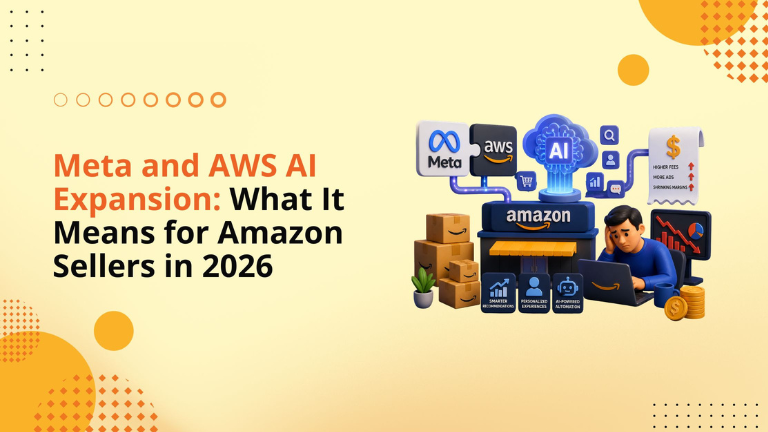
Meta and AWS AI Expansion: What It Means for Amazon Sellers in 2026

The ecommerce landscape is changing rapidly. Behind the scenes, major companies like Meta and Amazon are investing heavily in AI infrastructure. The latest Meta + AWS partnership highlights this shift. What Happened? Meta is deploying: Tens of millions of AWS Graviton cores To power agentic AI workloads These systems handle: Reasoning Automation Large-scale decision making Why This Matters  1. AI Is Becoming the Core System Amazon is moving toward AI-driven commerce. 2. Sellers Are Funding This Shift Through: Ad costs FBA fees Platform charges 3. Listings Must Be AI-Readable Structured content is critical. 4. Buying Behavior Is Changing AI influences: Discovery Selection Purchase How Sellers Should Adapt  1. Optimize for AI, Not Just Keywords Clear, structured listings. 2. Focus on Profit, Not Just Revenue Track real margins. 3. Adjust PPC Strategy Move beyond last-click attribution. 4. Improve Data Quality Better inputs → better AI outputs 5. Diversify Channels Reduce Amazon dependency. How Big Internet Ecommerce Helps We help sellers: Optimize for AI-driven systems Improve profitability Adjust PPC strategy Build multi-channel growth Scale sustainably Amazon is evolving. From marketplace → AI platform Sellers who adapt: Stay competitive Protect margins Scale faster Want to future-proof your Amazon business? Schedule a strategy call with our team. Follow Big Internet Ecommerce (BIE) on Instagram & LinkedIn to stay updated with the latest trends in Amazon selling.

Meta and AWS AI Expansion: What It Means for Amazon Sellers in 2026 Read More »

Amazon ASIN deactivation policy 2026

Amazon ASIN Crackdown 2026: How Sellers Can Avoid 30-Day Listing Deactivation

Amazon has begun enforcing its ASIN Creation Policy at a scale never seen before. Sellers across categories are receiving 30-day deactivation notices. This marks a major shift from passive enforcement to active catalog policing. What Is the ASIN Crackdown? Amazon is targeting: Brand-Generic misuse Duplicate ASINs Variation abuse Why This Matters  1. Immediate Revenue Risk Deactivated listings lose: Buy Box Ranking Visibility 2. Catalog Integrity Is Now Critical Amazon evaluates your full catalog structure. 3. Old Tactics No Longer Work Shortcuts are now risks. 4. Short Timeline to Fix Issues 30 days is a strict window. How to Fix It  1. Audit All ASINs Identify high-risk listings. 2. Merge Duplicate Listings Protect review history. 3. Fix Variation Structures Ensure true product relationships. 4. Align Brand Ownership Use Brand Registry. 5. Prioritize High-Revenue SKUs Protect key products first. How Big Internet Ecommerce Helps We help sellers: Audit entire catalogs Fix listing structure Protect rankings Improve compliance Scale safely This crackdown is not temporary. It’s a permanent shift. Sellers who adapt: Keep their rankings Protect revenue Scale stronger Want to secure your listings before they get flagged? Schedule a strategy call with our team. Follow Big Internet Ecommerce (BIE) on Instagram & LinkedIn to stay updated with the latest trends in Amazon selling.

Amazon ASIN Crackdown 2026: How Sellers Can Avoid 30-Day Listing Deactivation Read More »

Amazon Rufus Scheduled Actions seller strategy

Amazon’s Agentic AI Rufus and Scheduled Actions: The Shift That Will Reshape Your Strategy

Amazon introduced Scheduled Actions for Rufus, its AI shopping assistant. This update is a game-changer for how sellers plan their pricing, PPC, and inventory strategy. Rufus is no longer simply an assistant — it’s now autonomously driving purchases on behalf of households. What Are Scheduled Actions? Rufus can now: Automatically schedule recurring buys (household reorders, gifts) Trigger purchases when a price trigger is met Buy outside Amazon using the Shop Direct and Buy For Me features Why This Matters for Sellers  1. Shift from Manual Purchases Customers no longer control purchases. Rufus does. This reduces your control over recurring purchases and customer reorders. 2. PPC Attribution Gets Harder Rufus may place orders weeks after an ad click, making last-click attribution misleading. Sellers need to lengthen attribution windows for accurate PPC reporting. 3. New Predictable Demand Signals Rufus-driven purchases are scheduled — this creates a predictable reorder cadence for your most popular products. 4. Pricing Strategy Adjustments With auto-triggered purchases, you need to rethink pricing dynamics for: Household consumables Pet care Beauty products How to Adapt Your Strategy  1. Identify Agent-Eligible SKUs Track products that are likely to be Rufus default picks, like consumables and replenishables. 2. Lengthen PPC Attribution Windows Attribution windows should now be 30 days or more to account for delayed purchases. 3. Adjust Inventory Targets Track scheduled demand and adjust FBA restock models accordingly. 4. Rework Pricing and Discounts Align pricing with Rufus-triggered demand without jeopardizing profitability. 5. Monitor Reviews & Q&A Rufus picks products based on reviews. Ensure your top products have updated reviews and answered questions. How Big Internet Ecommerce Helps We help sellers: Track repeat purchase patterns Lengthen attribution windows Optimize inventory flow Adjust pricing strategies Protect your product’s visibility Rufus has shifted from being an assistant to an autonomous agent, reshaping how products get purchased and how sellers need to operate. Adapt quickly to predictable demand, new pricing, and redefined attribution windows. Want to optimize your strategy for Rufus and the future of Amazon? Schedule a strategy call with our team. Follow Big Internet Ecommerce (BIE) on Instagram & LinkedIn to stay updated with the latest trends in Amazon selling.

Amazon’s Agentic AI Rufus and Scheduled Actions: The Shift That Will Reshape Your Strategy Read More »

Scroll to Top